The Jailhouse Lawyer Who Studied His Way to Freedom and Justice
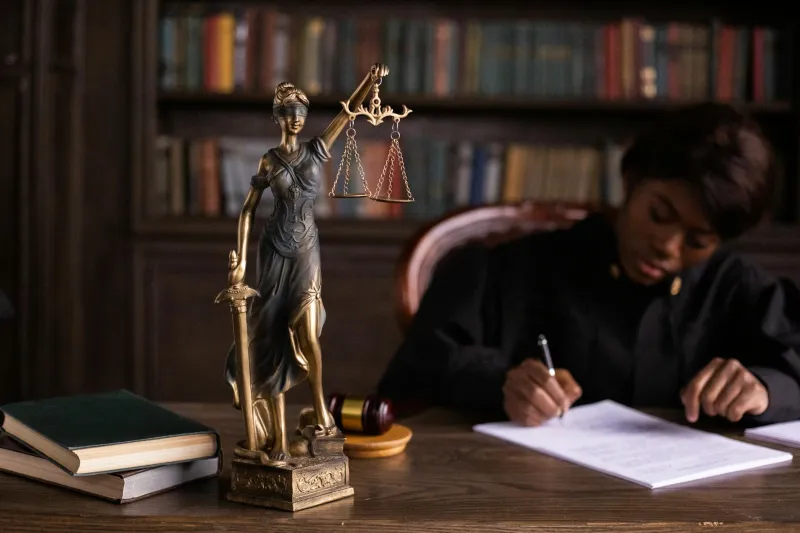
The Unlikely Law School
The Trenton State Prison library wasn't much to look at in 1967—a few metal shelves, fluorescent lighting, and the kind of institutional quiet that comes from too much concrete and too little hope. But for Rubin "Hurricane" Carter, those law books gathering dust in the corner would become the most important classroom of his life.
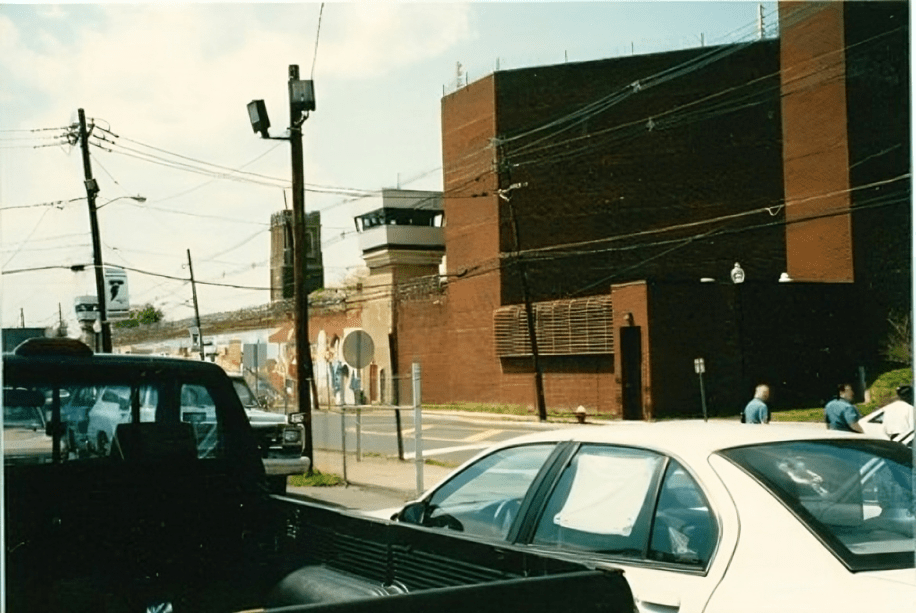 Photo: Trenton State Prison, via ofpl.org
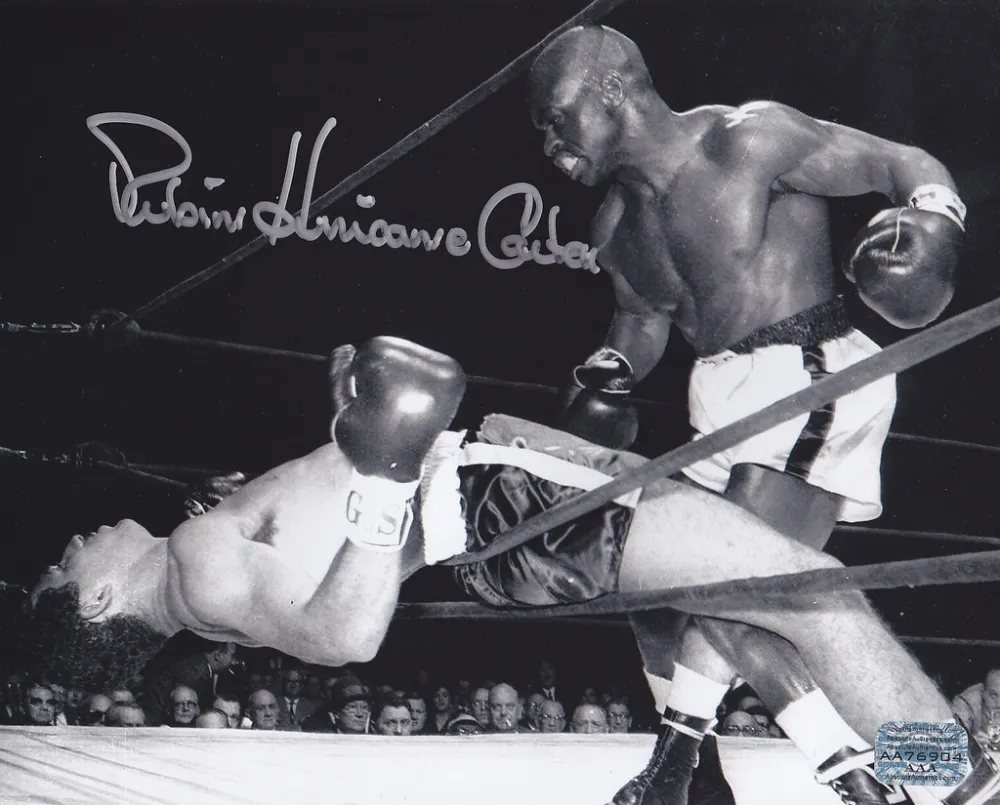 Photo: Rubin "Hurricane" Carter, via formulateinfinity.net
Carter had entered prison barely able to read beyond a sixth-grade level. He would leave nineteen years later as one of the most formidable legal minds in civil rights law, having not only won his own freedom but dedicated his life to freeing others trapped in the same system that had held him.
From Boxing Ring to Prison Cell
Rubin Carter's story began in the boxing rings of Paterson, New Jersey, where his explosive left hook earned him the nickname "Hurricane." He was ranked as a top middleweight contender when his life took a devastating turn in 1966.
 Photo: Paterson, New Jersey, via api.trekaroo.com
Falsely convicted of a triple murder based on questionable eyewitness testimony and prosecutorial misconduct, Carter found himself facing life in prison. The boxer who had fought professionally for a decade now faced the fight of his life—not in the ring, but in the labyrinthine world of American jurisprudence.
"I went into that prison angry and barely literate," Carter later recalled. "I came out educated and focused."
The Prison University
Carter's transformation began with a simple decision: if the legal system had failed him, he would master it from the inside out. Starting with basic legal dictionaries, he spent twelve to sixteen hours daily in the prison library, teaching himself to read complex legal texts.
The process was grueling. Legal language—with its Latin phrases, arcane procedures, and Byzantine logic—might as well have been hieroglyphics to someone with Carter's limited formal education. But his boxing background had taught him discipline and the value of repetitive practice.
"Every day, I would read the same passages over and over until they made sense," he explained. "I treated law books like I treated training—you don't get strong throwing one punch, and you don't get smart reading one case."
Building a Legal Arsenal
As Carter's reading comprehension improved, his understanding of his own case deepened. He began to see the procedural errors, constitutional violations, and prosecutorial misconduct that had led to his conviction. More importantly, he started recognizing these same patterns in other inmates' cases.
Carter became the prison's unofficial legal advisor, helping fellow inmates file appeals, understand their rights, and navigate the complex appeals process. His cell became a law office, filled with legal briefs, case law, and correspondence with attorneys.
His work wasn't just academic. Carter's research uncovered evidence of systemic racism in the New Jersey court system, documented patterns of prosecutorial misconduct, and identified constitutional violations that had affected dozens of cases.
The Long Road to Vindication
Carter's legal education paid off in 1985 when a federal judge overturned his conviction, citing the very constitutional violations Carter had identified through his self-directed study. But freedom was just the beginning of his second career.
Rather than walk away from the system that had wronged him, Carter chose to dedicate his life to reforming it. He enrolled in law school, passed the bar exam, and established the Association in Defence of the Wrongly Convicted, focusing on cases involving prosecutorial misconduct and racial bias.
From Client to Counsel
Carter's transition from prisoner to practicing attorney wasn't seamless. Law school professors initially struggled to take seriously a middle-aged former boxer whose legal education had begun in a prison library. Fellow students questioned whether someone with his background belonged in their classroom.
But Carter's unconventional path had given him insights that traditional legal education couldn't provide. He understood the system from the defendant's perspective, had experienced firsthand how prosecutorial misconduct operated, and could connect with clients in ways that traditional attorneys couldn't.
"I knew what it felt like to be on the wrong side of justice," Carter said. "That knowledge made me a better lawyer than any classroom ever could."
The Advocate's Arsenal
Carter's legal practice focused on the intersection of criminal justice and civil rights, taking on cases that other attorneys often avoided. His client list included death row inmates, victims of police brutality, and defendants facing prosecutorial misconduct.
His approach combined rigorous legal research with an intuitive understanding of how bias operated within the system. Carter could spot the subtle signs of prejudice that traditional attorneys might miss, and his own experience as a wrongly convicted person gave him credibility with judges and juries.
Between 1985 and his death in 2014, Carter helped overturn dozens of wrongful convictions and successfully challenged discriminatory practices in courts across the United States and Canada.
The Ripple Effect
Carter's transformation inspired a generation of "jailhouse lawyers"—inmates who used their time in prison to master legal procedures and help fellow prisoners. His story demonstrated that the American legal system, despite its flaws, contained within it the tools for its own reform.
Law schools began incorporating Carter's methods into their curricula, recognizing that his ground-up approach to legal education had produced insights that traditional academic training often missed. His emphasis on understanding law through the lens of those most affected by it became a cornerstone of clinical legal education.
The Scholar's Legacy
Carter's journey from barely literate boxer to accomplished civil rights attorney represents more than individual redemption—it reveals the transformative power of education, even under the most unlikely circumstances.
His story challenges assumptions about who can master complex intellectual disciplines and demonstrates that some of our most effective advocates come from the communities most affected by injustice. Carter proved that sometimes the best legal education happens not in ivy-covered halls, but in the stark reality of those who need justice most.
The Lesson in the Library
Rubin Carter's transformation from prisoner to attorney reminds us that knowledge is the ultimate equalizer. His story suggests that education—real education, not just credentialing—can happen anywhere, at any age, under any circumstances.
Most importantly, Carter's journey demonstrates that the American legal system, for all its flaws, retains the capacity for self-correction when challenged by those who understand it most deeply. Sometimes the best critics of a system are those who have experienced its failures firsthand and then mastered its complexities from the ground up.
The Hurricane may have hung up his boxing gloves, but he never stopped fighting—he just learned to use the law as his weapon.