The Problem with Progress
In 1935, Raleigh, North Carolina boasted three beautiful public libraries. Their marble steps gleamed, their reading rooms hummed with scholarly conversation, and their shelves overflowed with the world's greatest literature. There was just one catch: if you were Black, you couldn't set foot inside any of them.
Mollie Huston Lee knew this intimately. As a trained librarian with a degree from Howard University, she watched her neighbors—teachers, ministers, students—drive hours to find books their children needed for school. She saw brilliant minds starved of the very fuel that could ignite them. And she decided that if the system wouldn't serve her community, she'd build a better one.
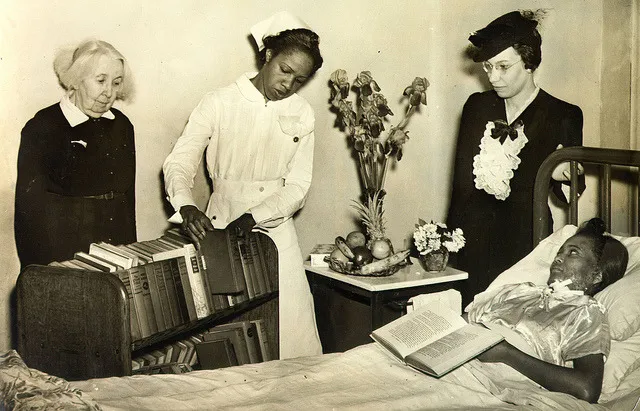 Photo: Mollie Huston Lee, via 64.media.tumblr.com
What happened next wasn't a protest or a petition. It was something far more subversive: Lee opened the first public library for African Americans in North Carolina, funded it with her own savings and community donations, and turned it into an intellectual powerhouse that would outlast the very segregation laws designed to crush it.
Building Something from Nothing
Lee didn't start with much. Working as a bookkeeper by day, she spent her evenings and weekends transforming a small rented space on South Blount Street into what would become the Richard B. Harrison Public Library. She personally guaranteed the lease, bought the first books with money from her own pocket, and convinced local Black professionals to serve on an unpaid board.
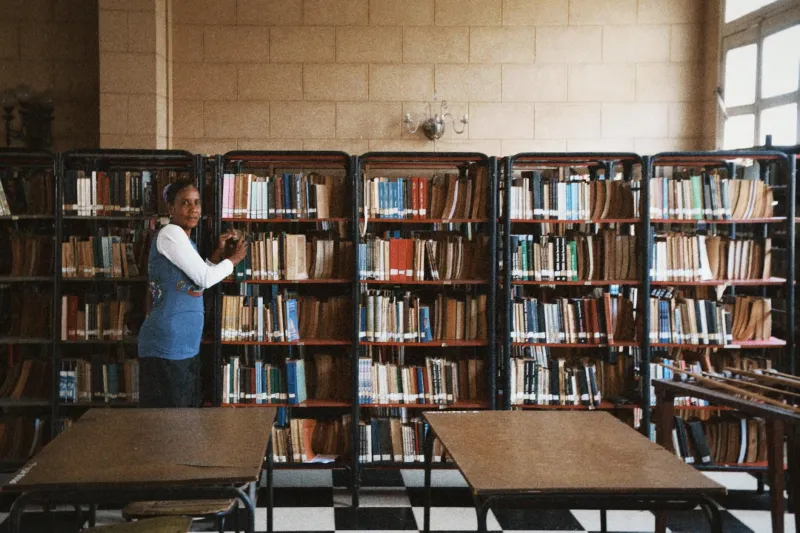
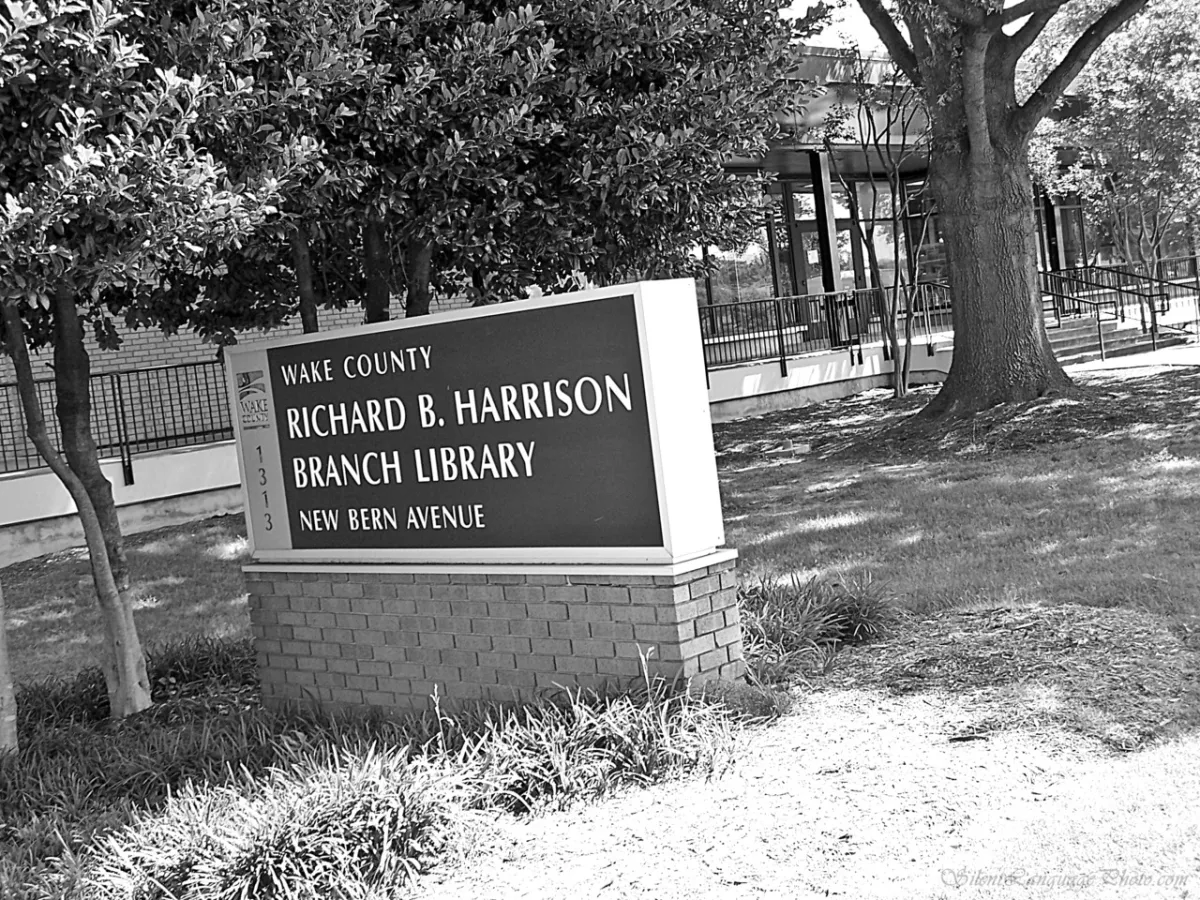 Photo: Richard B. Harrison Public Library, via 64.media.tumblr.com
The early days were brutal. Lee worked without salary for months, writing grant applications by candlelight and driving across the state to beg for book donations. When the city refused to provide any funding, she organized bake sales and church fundraisers. When white publishers wouldn't sell to her directly, she found creative workarounds through sympathetic contacts in other states.
But Lee understood something her opponents didn't: she wasn't just building a library. She was constructing a fortress of knowledge that could withstand any siege.
The Arsenal of Ideas
By 1940, the Harrison Library had become something extraordinary. Its collection rivaled many white institutions, featuring not just popular novels but scientific journals, legal texts, and technical manuals that Black professionals desperately needed. Lee established lending partnerships with Black colleges across the South, creating an informal network that shared resources and expertise.
More importantly, she turned the library into a community hub that went far beyond books. The basement hosted citizenship classes for new voters. The main floor offered typing and bookkeeping courses for aspiring entrepreneurs. The children's section became a safe haven where young minds could explore worlds far beyond the constraints of Jim Crow.
Lee's genius lay in understanding that knowledge is the ultimate equalizer. While segregationists could control where people sat or shopped, they couldn't control what happened inside someone's mind after they read Frederick Douglass or studied advanced mathematics.
The Long Game
What made Lee's approach so effective was its sustainability. While civil rights protests often met violent resistance, her library operated in a space that white authorities couldn't easily attack without looking foolish. After all, how do you argue against literacy and self-improvement?
The Harrison Library became a training ground for the civil rights leaders of the 1950s and 1960s. Students who learned research skills there went on to document voting rights violations. Young people who discovered their love of reading in Lee's children's section became the teachers and lawyers who would dismantle segregation through the courts.
Lee herself remained deliberately behind the scenes, understanding that her greatest power lay in being underestimated. While more famous activists drew headlines and harassment, she quietly built an institution that would serve her community for decades.
Legacy in the Stacks
When desegregation finally came to North Carolina in the 1960s, something remarkable happened: the Harrison Library didn't disappear. Instead, it became part of the integrated public library system, with Lee serving as a branch manager until her retirement. The institution she built from nothing had become so valuable that even former segregationists couldn't justify closing it.
Today, the Richard B. Harrison Library continues to serve Raleigh residents, though few know the full story of the woman who willed it into existence. Lee's approach—building parallel institutions rather than simply demanding access to existing ones—became a model replicated across the South.
The Power of Quiet Revolution
Mollie Huston Lee's story reveals something profound about social change: sometimes the most effective revolutions happen not in the streets but in the stacks. By focusing on education and intellectual empowerment, she created something that outlasted the very system designed to suppress it.
Her legacy reminds us that progress doesn't always require grand gestures or media attention. Sometimes it requires the patient work of building something better, one book at a time, trusting that knowledge will ultimately triumph over ignorance.
In a world where we often focus on the loudest voices, Lee's quiet revolution offers a different model: change through creation, resistance through education, and victory through the simple but radical act of refusing to accept that things must remain as they are.