The Hall of Fame of Getting Told No: Seven Visionaries Who Built Their Dreams After Everyone Stopped Laughing

Fred Smith: The College Paper That Became FedEx
In 1965, Yale economics student Fred Smith submitted a term paper proposing a national overnight delivery service. His professor returned it with a C- and a note explaining that while the idea was interesting, it was completely unfeasible. The economics didn't work. The logistics were impossible. No business could justify the infrastructure required to deliver packages overnight across America.
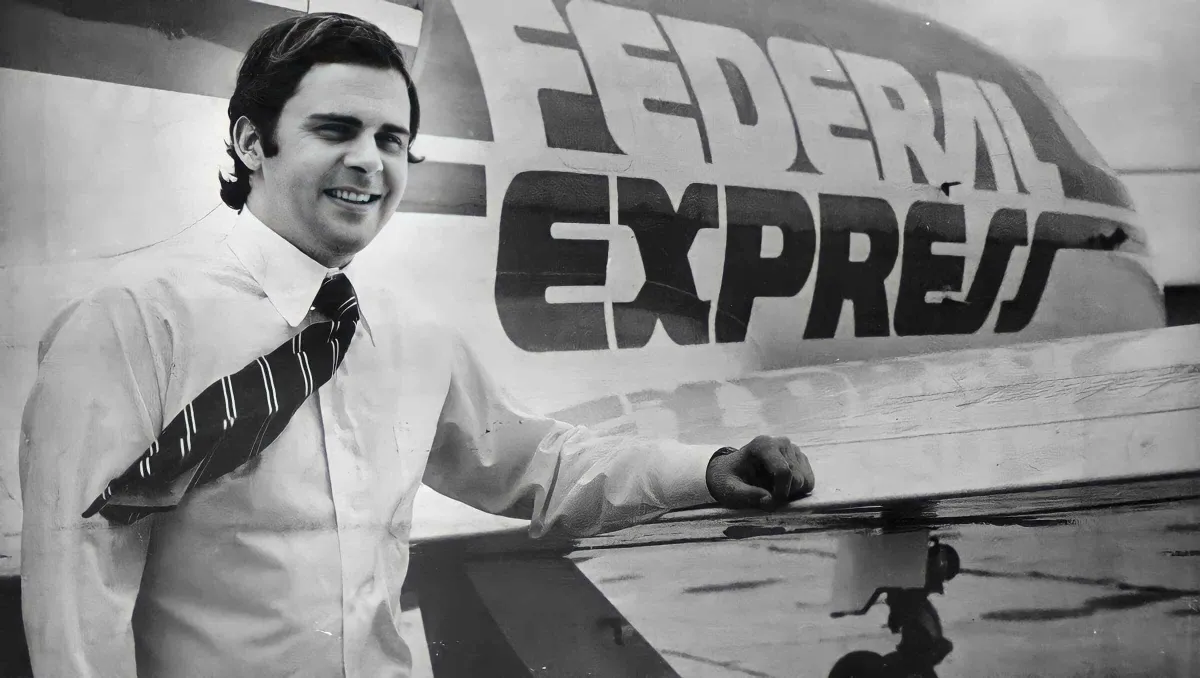 Photo: Fred Smith, via avgeekery.com
Smith's classmates were less diplomatic. They openly mocked the idea of flying packages around the country when the postal service worked just fine. One roommate joked that Smith would be better off starting a lemonade stand — at least that business model made sense.
Eight years later, Smith founded Federal Express with $4 million of family money and $80 million in loans. The company that his professor said was economically impossible now generates over $90 billion in annual revenue and employs nearly half a million people. The overnight delivery industry Smith created from his rejected college paper has become so essential to American commerce that the economy would collapse without it.
Sara Blakely: The Pantyhose Idea That Nobody Wanted
In 1998, Sara Blakely called every hosiery manufacturer in North Carolina with a simple request: could they make pantyhose without feet? She wanted undergarments that would smooth her silhouette under white pants without the visible foot seams that ruined the look.
 Photo: Sara Blakely, via geeksaroundglobe.com
The response was universal laughter. Hosiery executives hung up on her. Those who stayed on the line explained patiently that footless pantyhose made no sense. The whole point of pantyhose was the feet. Without feet, you just had... nothing. One manufacturer told her to stick to her day job selling fax machines and leave the undergarment business to people who understood it.
Blakely spent two years being rejected by every major manufacturer in the industry. When she finally found a small mill owner willing to produce her product, other manufacturers called him crazy for wasting time on such an obvious failure.
Spanx launched in 2000 with $5,000 of Blakely's savings. The company that the hosiery industry dismissed as impossible now generates over $1 billion in annual sales. Blakely, who was told to stick to selling fax machines, became the youngest self-made female billionaire in American history. The shapewear industry she created has become a multi-billion-dollar market that employs thousands of people who once laughed at her idea.
Howard Schultz: The Coffee Shop Concept That Seattle Rejected
In 1982, Howard Schultz returned from Italy with an idea that excited him and horrified his employers at Starbucks. He wanted to transform their small coffee bean retail operation into a chain of Italian-style espresso bars where people would sit, socialize, and treat coffee as an experience rather than just caffeine delivery.
Starbucks founders Jerry Baldwin and Gordon Bowker were appalled. Americans didn't sit in coffee shops — they grabbed coffee and left. They certainly didn't pay premium prices for fancy Italian drinks with unpronounceable names. The whole concept was pretentious, impractical, and fundamentally un-American. They told Schultz to abandon the idea and focus on selling coffee beans.
When Schultz persisted, they fired him. Seattle's coffee establishment agreed with their decision. Local business leaders told reporters that Schultz's espresso bar concept was doomed because Americans would never embrace European café culture. One competitor joked that Schultz was trying to sell ice to Eskimos.
Schultz opened Il Giornale in 1986 with funding from investors who believed in his vision. A year later, he bought Starbucks and began expanding the concept that his former employers had rejected. The company that Seattle's coffee experts said would never work now operates over 35,000 locations worldwide and has created an entirely new category of American retail. Schultz transformed coffee from a commodity into a lifestyle, proving that sometimes the most American thing you can do is import a good idea from somewhere else.
Estée Lauder: The Cosmetics Pitch That Department Stores Refused
In the 1940s, Estée Lauder approached every major department store in New York with samples of face cream she'd been making in her kitchen. Store buyers were unanimous in their rejection: the cosmetics market was already saturated, her products offered nothing new, and customers weren't interested in expensive creams from an unknown brand.
Saks Fifth Avenue's buyer was particularly dismissive, telling Lauder that women already had enough cosmetics options and suggesting she find a different line of work. Macy's buyer didn't even look at her products, explaining that the store only worked with established manufacturers who could guarantee large-volume deliveries.
Lauder's response was characteristically bold: she set up an unauthorized demonstration counter at Saks and began applying her products to customers' faces without permission. When security tried to remove her, she'd already generated enough sales to prove her point. The buyer who had rejected her products was forced to admit that customers were responding enthusiastically to something he'd dismissed as worthless.
The Estée Lauder Companies now generates over $16 billion in annual revenue and owns some of the most prestigious beauty brands in the world. The woman who was told the cosmetics market didn't need another player created an empire that redefined how Americans think about beauty and luxury.
Colonel Sanders: The Chicken Recipe That 1,009 Restaurants Rejected
Harland Sanders was 62 years old when he began driving across America with a pressure cooker and a secret chicken recipe, trying to convince restaurant owners to serve his fried chicken. He offered to cook free samples in exchange for a small royalty on each piece sold.
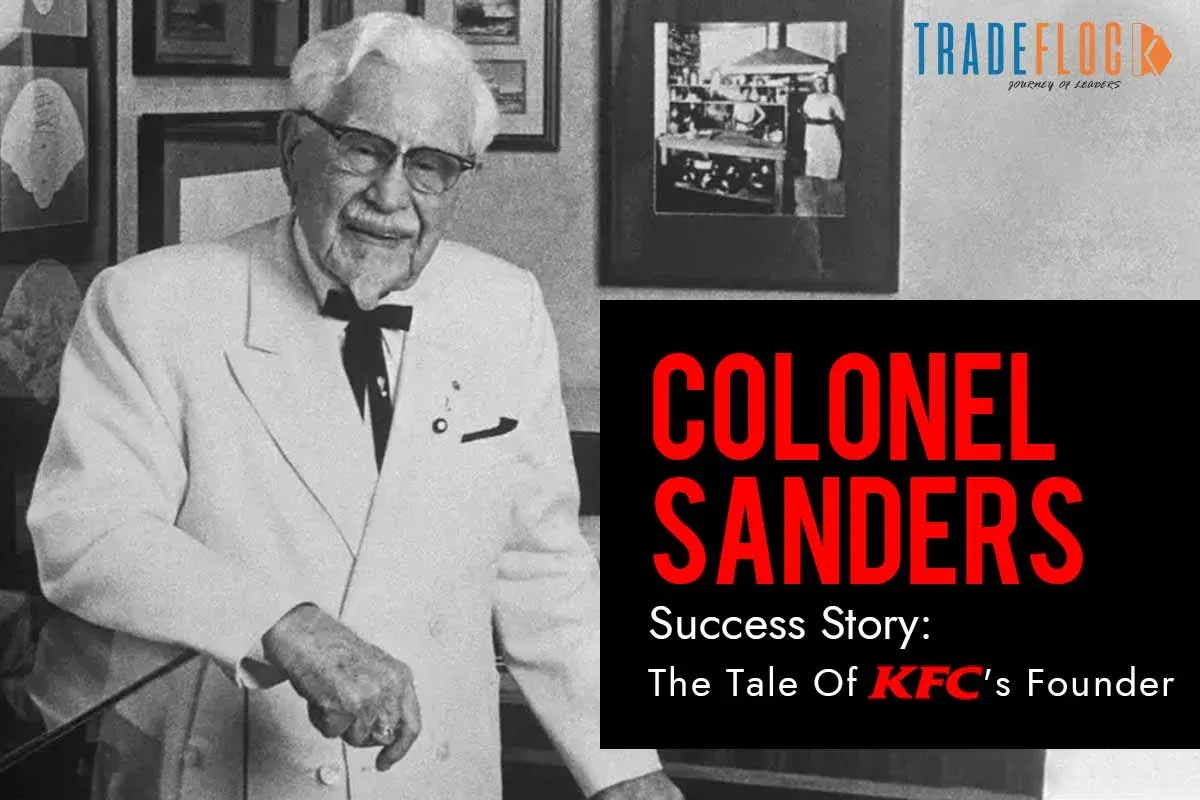 Photo: Colonel Sanders, via tradeflock.com
The response was brutal and consistent: 1,009 restaurants rejected his proposal. Owners laughed at the elderly man with the white suit and string tie who claimed his chicken was special. They already had chicken recipes. They didn't need some old-timer from Kentucky telling them how to cook. Several restaurant owners told Sanders he was wasting everyone's time and suggested he retire gracefully.
Restaurant number 1,010 said yes. Within five years, Kentucky Fried Chicken had become a national franchise with hundreds of locations. The recipe that 1,009 restaurants rejected became one of the most recognizable flavors in American food. Sanders, who was told to retire at 62, built a billion-dollar empire that made his face and voice synonymous with fried chicken across the globe.
Jan Koum: The Messaging App That Silicon Valley Ignored
In 2009, former Yahoo engineer Jan Koum pitched his messaging app idea to every major technology company in Silicon Valley. The response was uniformly negative: messaging was a solved problem, smartphones already had SMS, and there was no market for another communication app.
Venture capitalists were particularly harsh. One told Koum that messaging apps were "solutions looking for problems" and advised him to focus on more practical applications. Another suggested that his app would never compete with established platforms like Skype or AIM. Even Facebook, which would later acquire his company, initially dismissed the concept as unnecessary.
Koum and his co-founder Brian Acton continued developing WhatsApp despite the constant rejection. They funded the project with their savings while industry experts predicted its inevitable failure. Tech blogs barely covered the app's launch, and most dismissed it as another doomed startup trying to reinvent something that already worked.
Five years later, Facebook acquired WhatsApp for $19 billion — the largest acquisition in Silicon Valley history at the time. The messaging app that every expert said was unnecessary now serves over 2 billion users worldwide and has become one of the most valuable communication platforms ever created.
The Pattern That Proves the Point
These seven stories share a common thread: the people who laughed the loudest were often the ones who understood their industries the best. They knew how things worked, which made them blind to how things could work better. They confused expertise with imagination and mistook the present for the future.
The real lesson isn't that experts are always wrong — it's that transformative ideas often sound impossible until someone proves they're inevitable. The next time you hear an idea that makes you want to laugh, remember Fred Smith's professor, Sara Blakely's manufacturers, and Howard Schultz's former bosses. Sometimes the most ridiculous ideas are just waiting for someone brave enough to build the room where they make perfect sense.