The Woman Who Built Her Own Medical School After America Rejected Her
The rejection letter was polite but firm. "While Miss Santos demonstrates academic excellence," it read, "the medical profession requires physical and emotional demands that may prove challenging for someone of her background." It was 1923, and Elizabeth Santos had just received her fortieth rejection from American medical schools.
The "background" they referenced wasn't academic—Santos had graduated summa cum laude from Vassar. It wasn't her test scores, which ranked in the top percentile. The problem was simpler: she was a woman, and more specifically, a Puerto Rican woman who refused to pretend otherwise.
Most people would have given up. Santos got creative.
The Closed Door Strategy
After her second round of rejections in 1924, Santos made a decision that would reshape American healthcare: if the medical establishment wouldn't train her, she would train herself.
Using her family's modest savings and a small inheritance from her grandmother, Santos moved to New York City and began what she called her "alternative residency." She volunteered at Bellevue Hospital during the day, shadowing doctors and learning procedures through observation. At night, she attended lectures at Columbia Medical School—not as an enrolled student, but as an auditor who paid cash for each class.
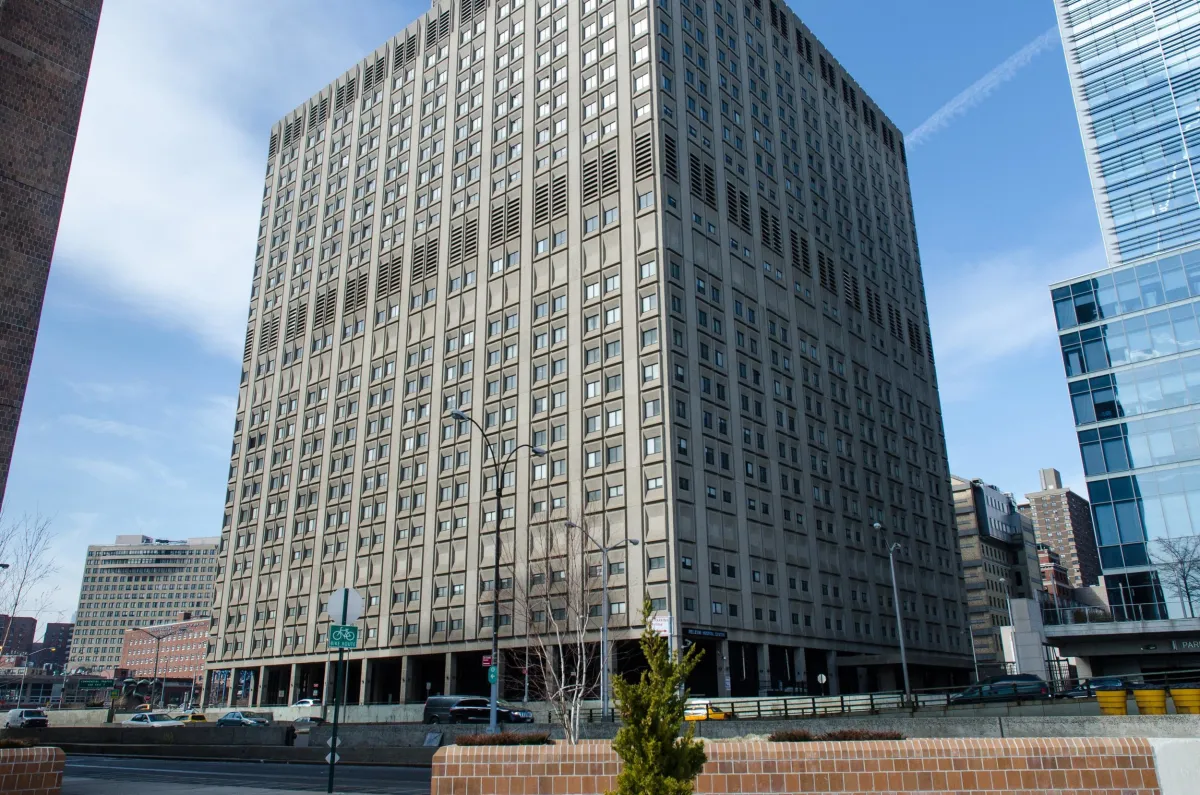 Photo: Bellevue Hospital, via images.squarespace-cdn.com
The arrangement was unusual but not illegal. Santos absorbed four years of medical education in eighteen months, taking detailed notes that she would later use to train others. "I was getting the same education as the men," she wrote in her diary, "just without the diploma to prove it."
But Santos soon realized that a diploma might be less important than something else entirely: access to the patients who needed help most.
The Underground Network
In 1926, Santos opened her first "health station" in a rented storefront in East Harlem. Officially, she couldn't practice medicine without a license. Unofficially, she could provide "health education" and "wellness consultations" to immigrant families who couldn't afford traditional medical care.
The distinction was crucial. Santos carefully structured her services to stay within legal boundaries while providing desperately needed care. She taught mothers how to recognize symptoms of childhood diseases. She demonstrated proper wound care and basic hygiene. She connected families with licensed physicians for serious conditions, often paying the fees herself.
Word spread quickly through New York's immigrant communities. Santos spoke fluent Spanish and Portuguese, and her sliding-scale fee structure meant that even the poorest families could afford her services. Within a year, she was seeing over 200 patients per week.
More importantly, Santos began training other women who had been rejected by medical schools. Her informal apprenticeship program taught basic medical skills to anyone willing to learn, creating a network of community health workers decades before the concept became official policy.
Scaling the Impossible
By 1930, Santos was operating twelve health stations across New York City. Her network had grown to include thirty-seven trained health workers, most of them women from immigrant families who understood their communities' specific needs.
The model was revolutionary. Instead of waiting for sick people to come to hospitals, Santos's workers went into neighborhoods, teaching prevention and catching problems early. They held classes in tenement basements, visited families in their homes, and created the first mobile health clinics in American history—years before anyone called them that.
The medical establishment took notice, and not in a good way. The New York Medical Society filed complaints with the city, arguing that Santos was practicing medicine without a license. Health department inspectors made regular visits, looking for violations. Several hospitals banned Santos from their premises.
But Santos had something her critics didn't: results. Infant mortality rates in neighborhoods served by her health stations dropped by 30%. Tuberculosis cases declined sharply. Emergency room visits decreased as families learned to manage common conditions at home.
The Vindication
The turning point came during the 1932 polio outbreak. As the epidemic overwhelmed New York's hospitals, city officials quietly reached out to Santos for help. Her network of community workers proved invaluable in tracking cases, educating families about prevention, and providing home care that kept hospital beds available for the most serious cases.
When the crisis ended, Santos found herself invited to meetings she'd been excluded from for years. Public health officials wanted to understand her methods. Medical schools began asking her to lecture on community health. The same institutions that had rejected her now sought her expertise.
In 1935, the federal government invited Santos to help design the community health center program as part of the New Deal. Her model—trained community workers providing preventive care in neighborhood settings—became the template for rural health programs across America.
The Accidental Medical School
By 1940, Santos was running what amounted to an unofficial medical school. Her training program had evolved into a comprehensive curriculum covering anatomy, pharmacology, public health, and clinical skills. Graduates were working in communities from California to Maine, adapting her model to local conditions.
The irony wasn't lost on Santos. "They wouldn't let me into their medical schools," she wrote to a friend, "so I accidentally created a better one."
Her approach emphasized practical skills over theoretical knowledge, community connection over institutional prestige, and preventive care over crisis intervention. Students learned medicine by doing medicine, working with real patients facing real problems.
When Johns Hopkins finally offered Santos an honorary medical degree in 1942, she politely declined. "I've been practicing medicine for sixteen years," she replied. "I don't need their permission anymore."
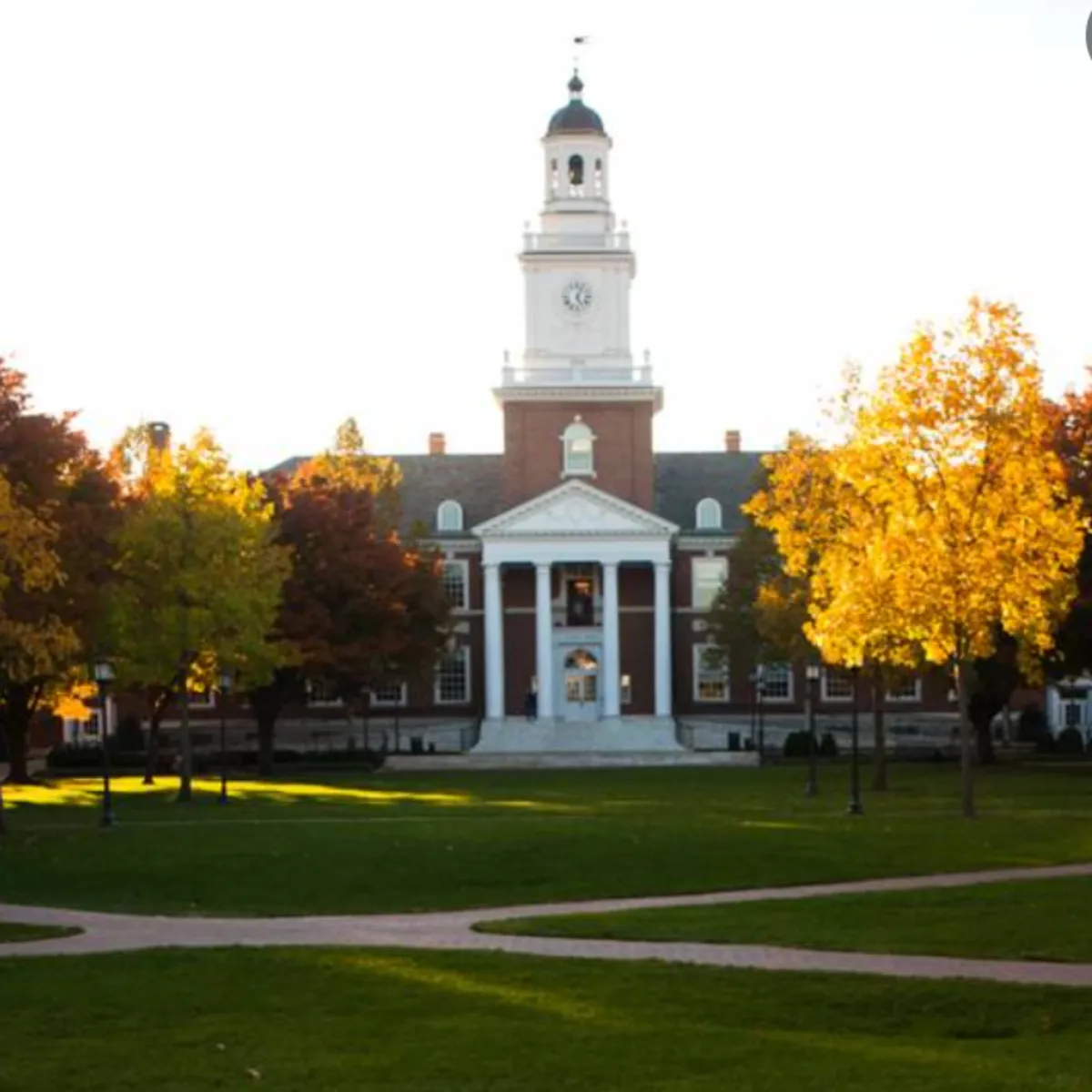 Photo: Johns Hopkins, via www.hillel.org
The Long View
Santos continued expanding her network until her death in 1963. By then, she had trained over 800 community health workers and served more than 100,000 patients through her clinics. Her model influenced the federal community health center program, the Peace Corps health initiatives, and modern public health policy.
Today, community health workers are a standard part of American healthcare, particularly in underserved areas. The emphasis on preventive care and community-based treatment that Santos pioneered is now considered best practice. Medical schools actively recruit diverse students and emphasize cultural competency in their curricula.
But perhaps Santos's greatest legacy is simpler: she proved that when institutions fail, individuals can build something better. Her rejection letters are now displayed in the National Museum of American History, alongside a plaque that reads: "Sometimes the system's biggest failures create its most important innovations."
Santos would have appreciated the irony. The woman who couldn't get into medical school ended up teaching medicine to teach medicine itself.