Behind the Front Desk: The Unofficial MBA of Growing Up in America's Family Motels
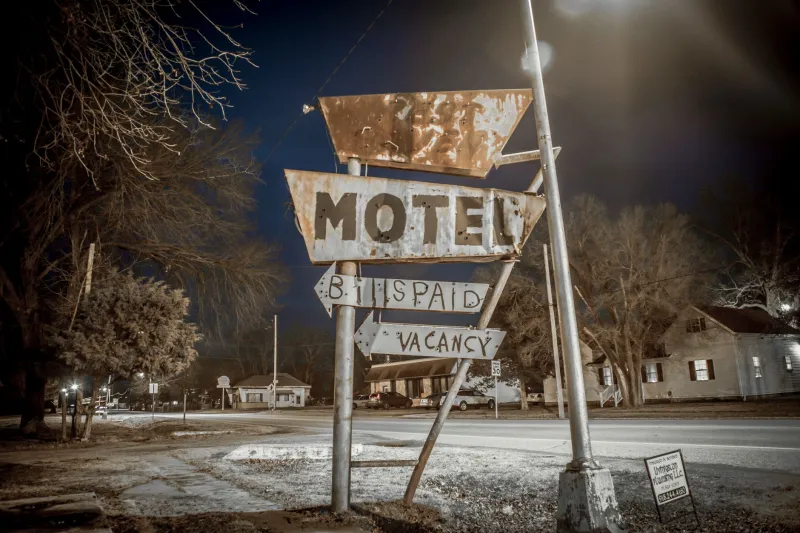
The fluorescent light above the office window buzzes at 11 p.m. A kid, maybe eleven years old, is doing homework on the counter next to the cash register, waiting for the late arrival from I-40 to pull in. This scene has played out thousands of times across America — at the twelve-room motor court outside Tulsa, the diner off Route 9 in Massachusetts, the gas station that doubled as a bait shop in rural Minnesota.
For most of these kids, it didn't feel like anything special. It felt like work. It felt like being woken up at 6 a.m. to clean a room because the guests left at dawn and the next family needs sheets. It felt like your childhood bedroom being separated from the lobby by a single drywall wall.
What it actually was, though, was an education no one sells.
The Curriculum Nobody Wrote Down
Think about what a child absorbs running the desk of a struggling family business:
- Cash flow is life. When the weekend's revenue decides whether the mortgage gets paid, you learn arithmetic with stakes attached. Kids from motels and diners understood "profit margin" before they understood algebra.
- Every customer is a negotiation. The tired salesman who wants a late checkout. The family that swears they only had two kids. You learn to read people — when to hold firm, when to comp the room because you can see the exhaustion in someone's face.
- The business doesn't care that it's Christmas. Holidays, birthdays, snowstorms — the rooms still need cleaning. Reliability isn't a value you're taught; it's a reflex you develop.
From Front Desk to Fortune
The pattern shows up everywhere once you look. Sam Walton's first retail education came in a family that lived through the Depression's lean years in small-town Missouri. Countless American entrepreneurs — first-generation immigrants especially — got their start sweeping the floors of the family restaurant or manning the register of the family convenience store while their parents slept in shifts.
The writer's branch of this story is just as rich. Some of America's sharpest observers of ordinary life grew up watching strangers pass through their living rooms — truckers, salesmen, runaways, families in transit. When your home is a waypoint, you learn that everyone has a story, and most of them are complicated.
And in public service, the through-line is unmistakable: the kids who watched their parents negotiate with suppliers, absorb a bad season, and get up the next morning often became the adults who understood that governance is mostly the same skill set with worse lighting.
The Back Office of Poverty
There's a phrase that circulates among people who grew up this way: the back office of poverty. It's not romantic. The motel was often the family's only asset and its biggest liability at once — a building that trapped their savings and, occasionally, their dreams.
But out of that squeeze came something durable. These kids learned that businesses don't fail dramatically; they erode slowly through a hundred small neglects. They learned that showing up is most of the job. And they learned, watching their parents, that dignity and struggle are not opposites.
More Than a Building
When inheritance comes up, we usually think of money or property. But the real inheritance passed behind those front desks was a worldview: nothing is beneath you, nothing is guaranteed, and the customer in front of you is always the most important person in the room.
Plenty of those kids escaped — went to college, moved to cities, took jobs with benefits and air conditioning. But the ones who built remarkable things tended to carry the motel with them. Not the building. The desk. The buzzing light. The habit of answering, no matter what time the knock comes.