The Drifter Who Sold America to Itself

The Note Under the Door
The security guard at Lord & Thomas advertising agency had seen plenty of desperate men hanging around the lobby, but this one was different. It was past midnight on a cold Chicago evening in 1904, and John E. Kennedy—former Royal Canadian Mounted Police officer, current nobody—was scribbling a message on a piece of paper torn from a newspaper.
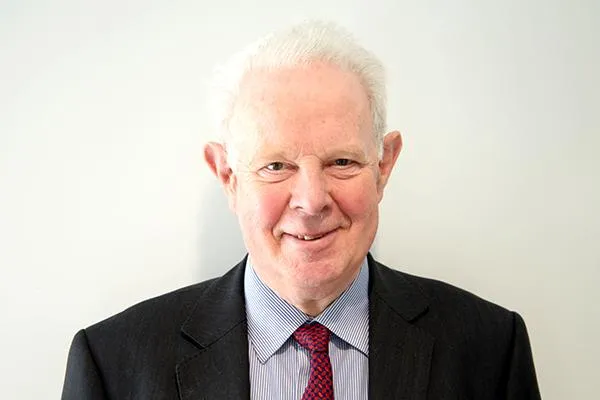 Photo: Lord & Thomas, via www.gov.wales
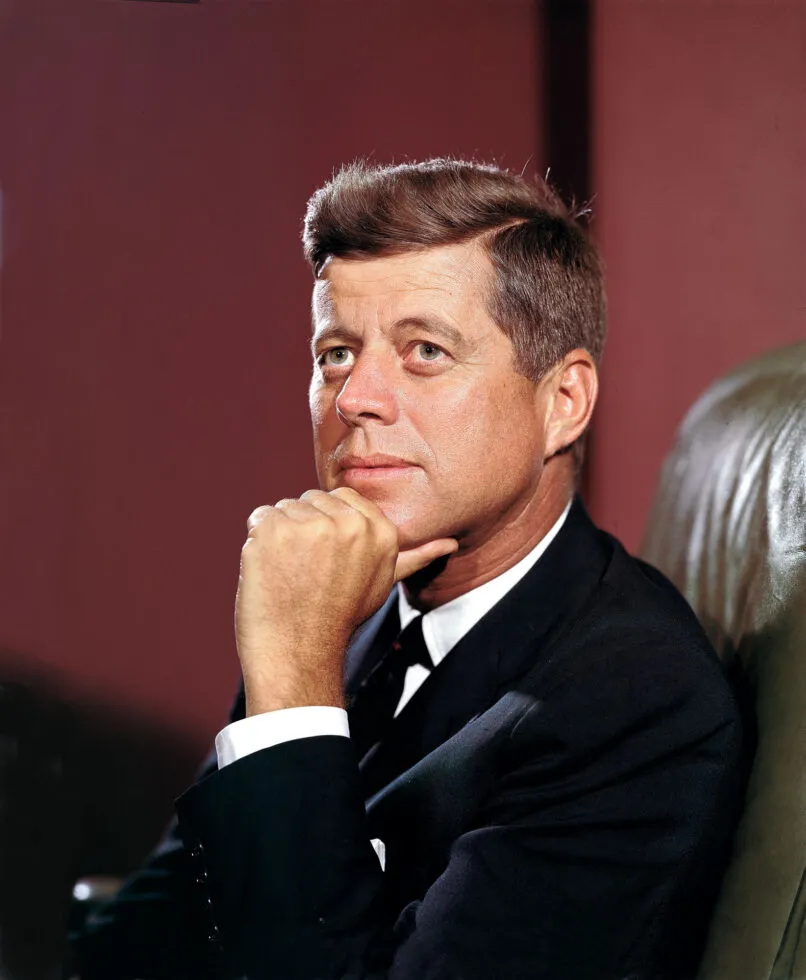 Photo: John E. Kennedy, via karsh.org
The note was simple: "I am in the saloon downstairs, and I can tell you what advertising is. I know you don't know. It will mean much to you. If you wish to know what advertising is, send the word 'yes' down by messenger."
Kennedy slid the paper under the office door of Albert Lasker, the most powerful man in American advertising, then walked downstairs to wait in McGann's Saloon. He ordered a whiskey with money he couldn't afford to spend and prepared to either change his life or confirm that it was hopeless.
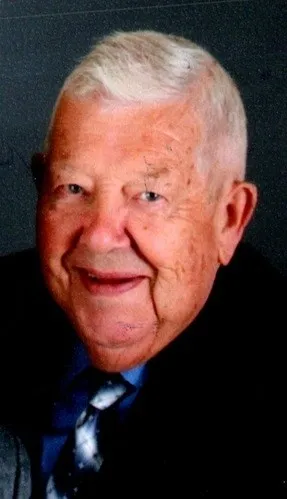 Photo: Albert Lasker, via akronbugle.com
Thirty minutes later, a messenger appeared with a single word written on company letterhead: "Yes."
The Man Who Couldn't Stay Put
John E. Kennedy was born to wander. The son of Irish immigrants in Ontario, he'd spent his twenties as a Mountie patrolling the Canadian wilderness, then drifted south to become a traveling salesman, a newspaper reporter, and eventually a door-to-door medicine peddler. By age 35, he was broke, restless, and running out of career options.
But Kennedy had noticed something during his years on the road: most advertising was complete nonsense. Companies spent fortunes on flowery language that said nothing about why anyone should buy their products. Ads talked about corporate heritage and manufacturing excellence while ignoring the one thing customers actually cared about—what's in it for me?
"I watched men try to sell plows by talking about the beauty of agriculture," Kennedy would later write. "I watched them try to sell medicine by discussing the founder's grandfather. Nobody was selling the plow or the medicine. They were selling everything except what people wanted to buy."
The Three Words That Changed Everything
When Kennedy finally sat down with Albert Lasker that night, the advertising mogul was expecting another smooth-talking charlatan with a miracle cure for his industry's problems. Instead, he met a weathered ex-cop who looked like he'd slept in his clothes and talked like he'd learned English from bartenders.
"What is advertising?" Lasker asked.
"Salesmanship in print," Kennedy replied.
Three words. That was it. But those three words detonated like dynamite in Lasker's mind.
Until that moment, advertising was considered an art form—something involving creativity, inspiration, and aesthetic sensibility. Kennedy was suggesting it was actually a science, with measurable inputs and predictable outputs. You could test it, improve it, and scale it like any other business process.
"Explain," Lasker said.
The Revolution in Room 237
Kennedy spent the next six hours in Lasker's office, explaining his theory with the intensity of a man who'd finally found someone willing to listen. Advertising wasn't about entertaining people or impressing them with clever wordplay. It was about identifying what people wanted and showing them how your product delivered it.
Every ad should answer three questions: What do you get? Why do you want it? How do you get it?
Everything else was waste.
Kennedy pulled out examples from his coat pocket—ads he'd torn from magazines and newspapers, marked up with notes about what worked and what didn't. He showed Lasker how successful salesmen operated, how they identified customer needs and positioned products as solutions.
"A salesman talks to one person at a time," Kennedy explained. "An ad talks to thousands. But the conversation should be exactly the same."
Testing the Theory
Lasker hired Kennedy on the spot, giving him a salary of $28,000—more money than Kennedy had ever imagined earning. But the real test would come with their first campaign together.
The client was Liquozone, a patent medicine that claimed to cure everything from tuberculosis to dandruff. Previous ads had focused on the company's scientific credentials and manufacturing process. Sales were declining.
Kennedy threw out everything and started over. Instead of talking about the company, he talked about the customer. Instead of explaining how the product was made, he explained what it would do for you. Instead of abstract benefits, he offered specific promises.
The headline read: "Germ Diseases—Free Test." The copy focused entirely on results: what you would feel, when you would feel it, and how to get started.
Sales increased 300% in the first month.
The Multiplication Effect
Word spread quickly through Chicago's business community. Kennedy and Lasker began applying "salesmanship in print" to everything from breakfast cereals to farm equipment. Each success proved the theory more definitively: people didn't buy products, they bought solutions to problems.
The approach was revolutionary because it was measurable. You could test different headlines, compare response rates, and optimize campaigns based on actual data rather than creative intuition. Kennedy had turned advertising from an art into an engineering problem.
Within two years, Lord & Thomas had become the largest advertising agency in America. Kennedy's principles were being copied by competitors across the industry. The entire business model of American commerce was shifting from "build it and they will come" to "find out what they want and show them you have it."
The Restless Genius
Success didn't cure Kennedy's wanderlust. After revolutionizing one industry, he grew bored and moved on to others. He started a mail-order business, launched a publishing company, and eventually became a freelance consultant charging fees that would be equivalent to millions today.
But his three-word definition of advertising had taken on a life of its own. "Salesmanship in print" became the foundation for direct marketing, which evolved into digital marketing, which transformed into social media advertising. Every Facebook ad and Google search result traces its DNA back to that conversation in a Chicago office in 1904.
The Modern Legacy
Today, Kennedy's insights seem obvious to the point of banality. Of course advertising should focus on customer benefits. Of course you should test different approaches. Of course sales results matter more than creative awards.
But obvious truths are only obvious after someone points them out. Before Kennedy, the advertising industry was dominated by people who thought their job was to create beautiful, memorable messages. Kennedy showed them their job was actually to create customers.
Every infomercial, every email campaign, every targeted social media ad uses principles that Kennedy developed during his brief career in advertising. The entire $600 billion global advertising industry operates on foundations laid by a broke ex-Mountie who couldn't afford to buy his own drinks.
The Note That Changed Commerce
Kennedy died in 1928, largely forgotten by an industry he'd revolutionized. But his influence had spread far beyond advertising. His focus on measurable results and customer-centric messaging had become the default approach for American business.
Political campaigns adopted his techniques for selling candidates. Nonprofits used his methods for fundraising. Even government agencies began communicating in language that focused on citizen benefits rather than bureaucratic processes.
The note he slipped under Albert Lasker's door that night didn't just change advertising—it changed how America talks to itself. Every sales pitch, every marketing message, every attempt to persuade someone to buy something carries traces of Kennedy's insight that effective communication isn't about the seller, it's about the buyer.
Sometimes the most profound revolutions start with the simplest observations. Sometimes the person who changes everything is the one nobody saw coming. And sometimes the most important conversations happen after midnight in offices that almost didn't let you through the front door.