From Cattle Calls to Conference Calls: The Wyoming Dropout Who Conquered Wall Street

The Education Nobody Planned
Jack Morrison's first classroom had no walls, no desks, and definitely no PowerPoint presentations. It was 50,000 acres of Wyoming rangeland where the nearest neighbor lived twelve miles away and the only graduation requirement was surviving another winter.
At seventeen, Morrison walked away from high school three credits short of a diploma. His guidance counselor called it "throwing your life away." His father, a third-generation rancher facing bankruptcy, called it "learning what matters." For the next decade, Morrison would discover that sometimes the most valuable education happens when nobody's keeping score.
The ranch taught lessons no business school curriculum could replicate. When you're moving 500 head of cattle across terrain that could kill you, you learn to read body language in the flick of an ear, the shift of weight. When a bull charges, you don't negotiate—you act. When a blizzard hits and you're twenty miles from shelter, you find solutions or you die.
"People think ranching is about animals," Morrison would later tell Fortune magazine. "It's about psychology. Every decision involves reading what someone—or something—is thinking, then deciding whether to push or pull back."
The Accidental Journey East
Morrison's Wall Street career began with a phone call he almost didn't answer. In 1987, a cousin in Denver mentioned that an energy company needed someone to negotiate mineral rights with ranchers. The pay was triple what Morrison made wrestling cattle, and the work seemed straightforward: convince stubborn landowners to lease drilling rights.
What the company didn't expect was Morrison's uncanny ability to speak two languages fluently—corporate and cowboy. While MBAs fumbled through presentations about "win-win scenarios" and "stakeholder alignment," Morrison sat on kitchen tables, drank coffee, and talked about weather, family, and the hard choices that keep a ranch alive.
"Jack didn't sell deals," remembered his first supervisor, Tom Chen. "He built trust. Ranchers who'd told three previous negotiators to get lost would sign with Jack after an hour."
Within eighteen months, Morrison had closed more mineral rights deals than the rest of the team combined. The company promoted him to regional director. Then national director. Then something unexpected happened: they asked him to move to New York.
Reading the Room at 30,000 Feet
Manhattan in 1989 was everything Wyoming wasn't—fast, crowded, and utterly convinced of its own sophistication. Morrison rented a studio apartment in Queens, bought his first suit at Macy's, and walked into his first boardroom meeting carrying a briefcase that still smelled like leather oil.
"I thought I was going to be eaten alive," he later admitted. "Then I realized these people were just herd animals in expensive clothes."
The skills that worked on cattle worked on executives. Morrison could spot a bluff from across a conference table, sense when someone was ready to fold, and knew exactly when to push for the close. While other negotiators relied on spreadsheets and PowerPoint decks, Morrison watched faces, listened to voice patterns, and trusted instincts honed by years of life-or-death decision-making.
His breakthrough came during a hostile takeover negotiation in 1991. Two investment banks had been deadlocked for weeks over a $2.3 billion energy deal. Morrison suggested a fifteen-minute break, then cornered the opposing lead negotiator in the hallway.
"You remind me of a bull I used to know," Morrison said. "Big, tough, made a lot of noise. But when push came to shove, he always backed down. Question is—are you that bull, or are you the real thing?"
The deal closed thirty minutes later.
The Cowboy Advantage
By 1995, Morrison was running his own boutique investment firm specializing in energy and natural resources deals. His client list included Fortune 500 companies, sovereign wealth funds, and billionaire investors who valued his reputation for closing deals other firms couldn't touch.
The secret wasn't complicated. While Wall Street celebrated complexity—elaborate financial instruments, multi-layered deal structures, teams of analysts—Morrison stripped negotiations down to fundamentals. What do you really want? What are you willing to give up? When are you bluffing?
"Most deals fail because people stop being human," Morrison explained to a Harvard Business School case study team. "They hide behind jargon and spreadsheets instead of looking each other in the eye and talking straight. On the ranch, that gets you killed. In business, it just wastes everyone's time."
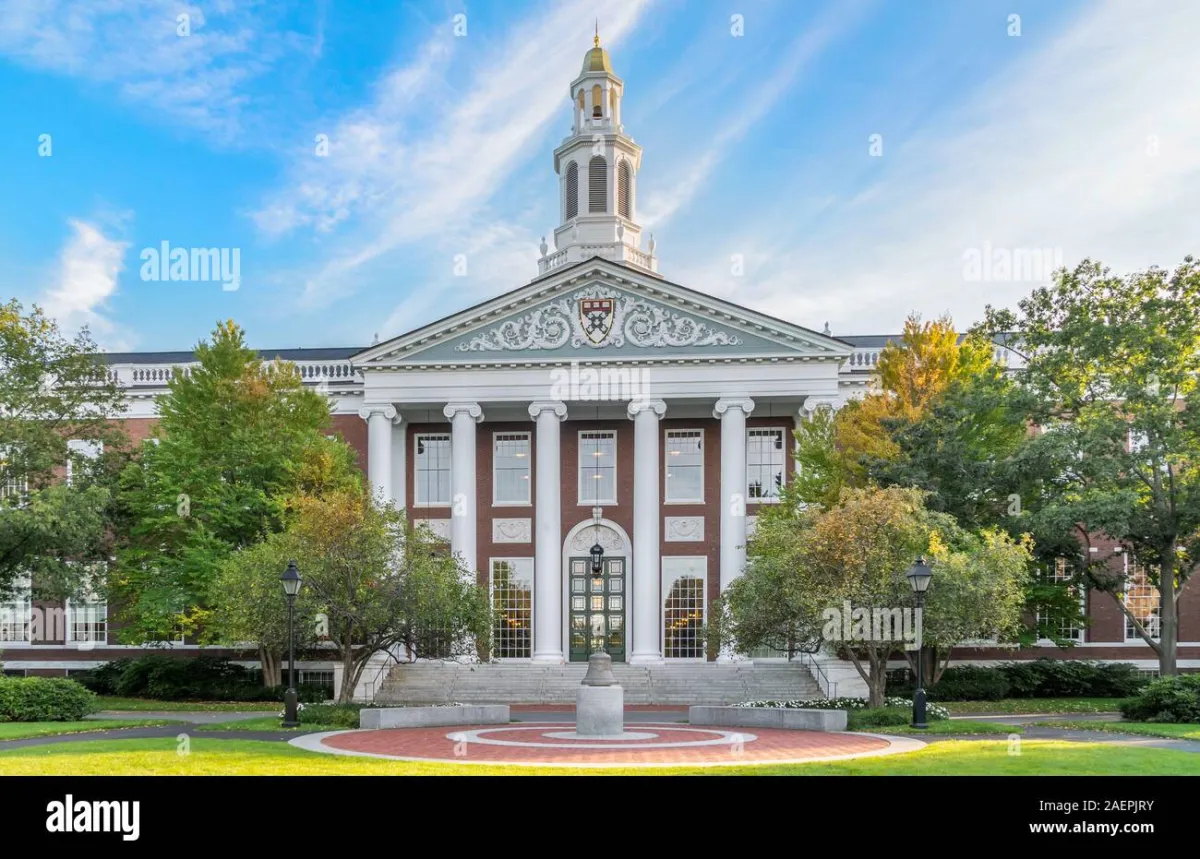 Photo: Harvard Business School, via c8.alamy.com
Morrison's firm completed over $50 billion in transactions during the next two decades. His personal net worth exceeded $100 million. Yet he never moved his primary residence from Wyoming, never hired more than twelve employees, and never forgot the lessons learned in that first classroom without walls.
Full Circle
Today, Morrison splits his time between his Manhattan office and the Wyoming ranch he bought back from bankruptcy in 1998. He still rises at 5 AM, still checks cattle before checking emails, and still believes the most important business skills can't be taught in any classroom.
"People ask what my secret is," Morrison says, watching the sunrise paint the mountains gold. "It's not complicated. Know what you're worth, know what the other guy needs, and never be afraid to walk away. Everything else is just paperwork."
The high school dropout who became one of Wall Street's most feared negotiators never did finish those last three credits. Turns out he didn't need them after all.