What the Trash Taught Him: The Chicago Garbageman Who Quietly Invented America's Local Food Movement
What the Trash Taught Him: The Chicago Garbageman Who Quietly Invented America's Local Food Movement
Earl Pruitt started every morning before sunrise. Not because he was ambitious, exactly — though he was — but because garbage routes on Chicago's North Shore ran before the neighbors woke up. The wealthy families along Sheridan Road didn't want to see the men who carried their waste away. That suited Earl just fine. It gave him time to look.
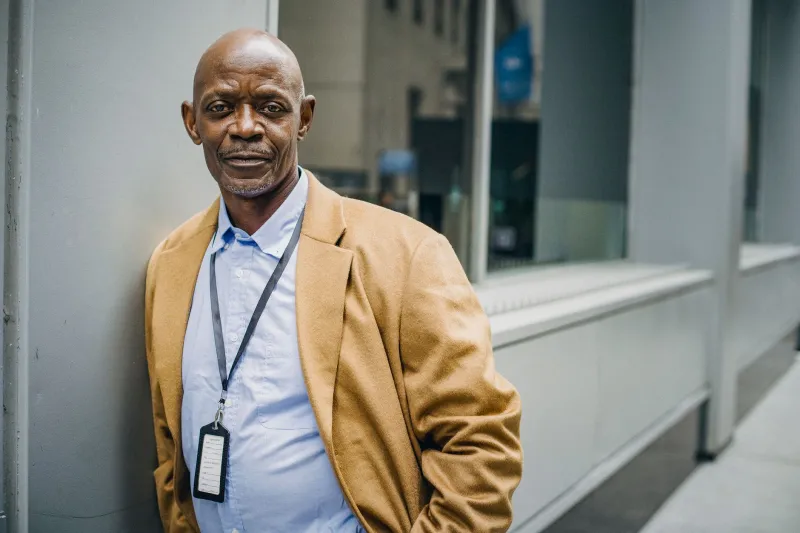
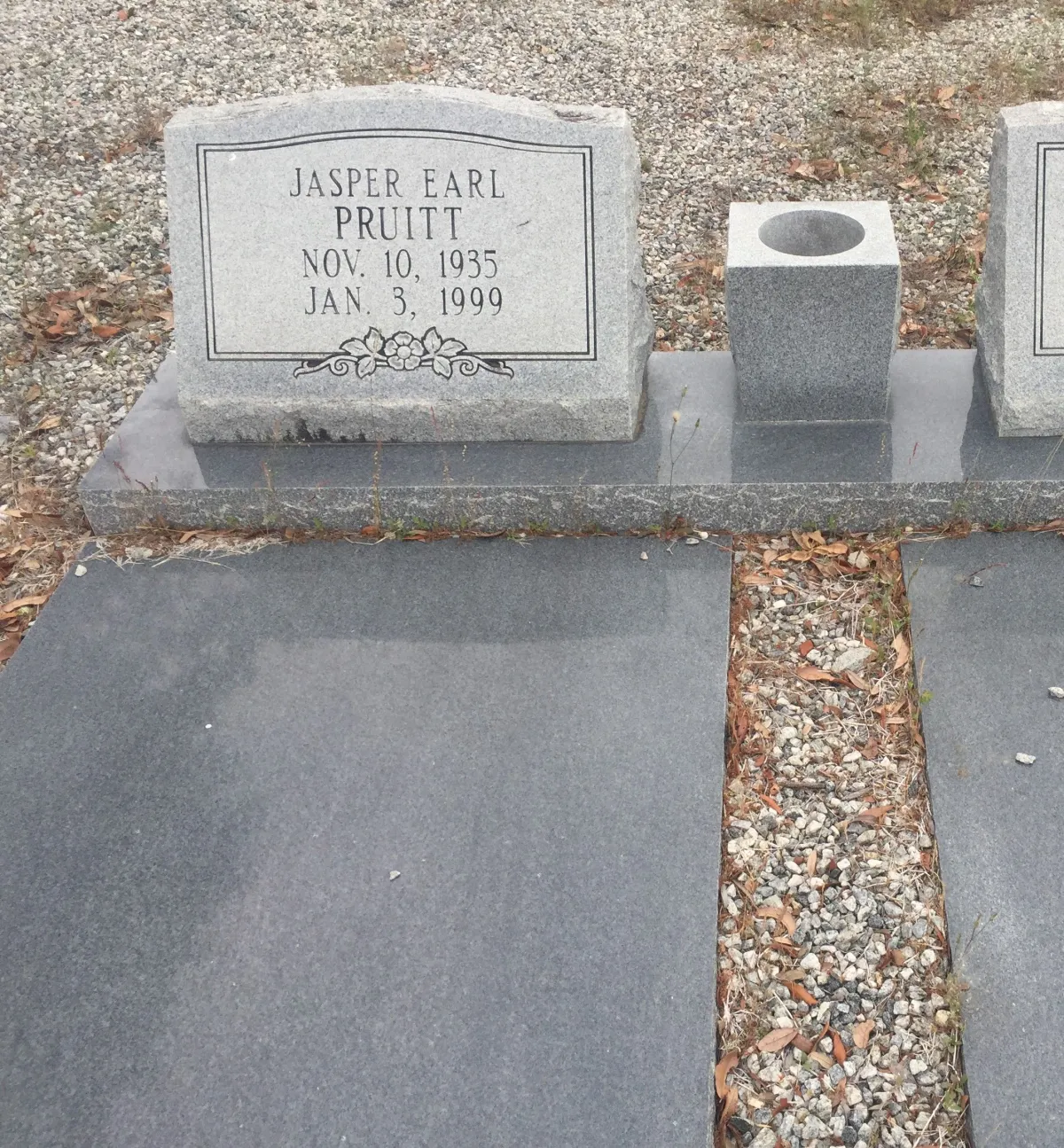 Photo: Earl Pruitt, via images.findagrave.com
And Earl Pruitt looked at everything.
The Education Nobody Planned
It was 1931. The Depression had settled over America like a second winter that wouldn't quit. Pruitt had come up from Mississippi at nineteen, chasing the same northern dream that pulled a million Black men out of the South during the Great Migration. Chicago gave him a job, a tiny apartment in Bronzeville, and a front-row seat to the most instructive classroom he'd ever find: the garbage cans of the privileged.
What he saw there confused him at first. Then it made him furious. Then it made him curious.
The wealthy families of Chicago's lakefront were throwing away food that Pruitt's own family would have built a Sunday dinner around. Whole root vegetables, bruised but edible. Bread a single day past its prime. Herbs bundled and barely touched. Cuts of meat that had gone slightly gray on the surface but were perfectly sound underneath. Week after week, Pruitt watched abundance get buried under coffee grounds and cigarette ash.
He started quietly salvaging what he could — carefully, selectively, always within the informal codes his crew understood. He'd bring things home to his wife, Della, and together they'd figure out what to do with them. Della was a fine cook, but she'd grown up with the same Depression-era instinct most Americans had: stretch what you have, don't ask too many questions about where it came from.
Earl asked all the questions.
The Man Who Thought in Seasons
Over the following years, Pruitt developed something that professional chefs with formal training rarely acquire: an intimate understanding of how food actually moves through time. He knew when the lakefront families threw out the last of summer's tomatoes. He knew which weeks the game birds appeared in the trash, and which households treated their produce with the most care. He began to understand, without anyone teaching him the vocabulary for it, that food had a natural rhythm — and that most of American cooking was fighting against it instead of working with it.
He also noticed something else. The local farmers who supplied the North Shore markets were growing things that the wealthy households never quite got around to using. Unusual varieties. Heirloom strains. Vegetables with flavors that had been bred out of the commercial produce moving through the big city markets. These things ended up in the trash not because they were inferior, but because the families who bought them didn't know what to do with them.
Pruitt did. He taught himself, one salvaged ingredient at a time.
By the late 1930s, he was cooking with a sophistication that had no formal name and no culinary tradition to claim it. He was cooking seasonally because the trash told him what was in season. He was cooking locally because the trash came from local sources. He was minimizing waste as a matter of philosophy, not trend.
A Restaurant Nobody Expected
In 1947, with savings from sixteen years on the route and a small loan from a Bronzeville church association, Earl Pruitt opened a twenty-seat restaurant on South Cottage Grove Avenue. He called it simply Pruitt's. The menu changed every week — sometimes every few days — based on what was available from the small network of South Side farmers and market vendors he'd spent years cultivating.
Food writers didn't know what to make of it. The concept of a menu built around local and seasonal sourcing was so far outside the mainstream that early reviewers simply described it as "unusual" or "unpredictable." One 1952 piece in a local Black newspaper called it "the restaurant that cooks like your grandmother thinks." Pruitt kept the clipping on the wall. He considered it the best review he ever got.
White food media largely ignored Pruitt's for its first decade. That was fine. The restaurant's reputation spread through Bronzeville and beyond on its own terms, drawing a loyal crowd of working-class families, jazz musicians, and eventually — quietly, almost reluctantly — some of the same North Shore families whose garbage had been Pruitt's original university.
The Philosophy Before the Philosophy
What makes Pruitt's story genuinely remarkable isn't just that he succeeded. It's that he arrived at a complete culinary philosophy — one that wouldn't become fashionable in mainstream American food culture until Alice Waters opened Chez Panisse in Berkeley in 1971 — through a path that had nothing to do with culinary school, European training, or the established restaurant world.
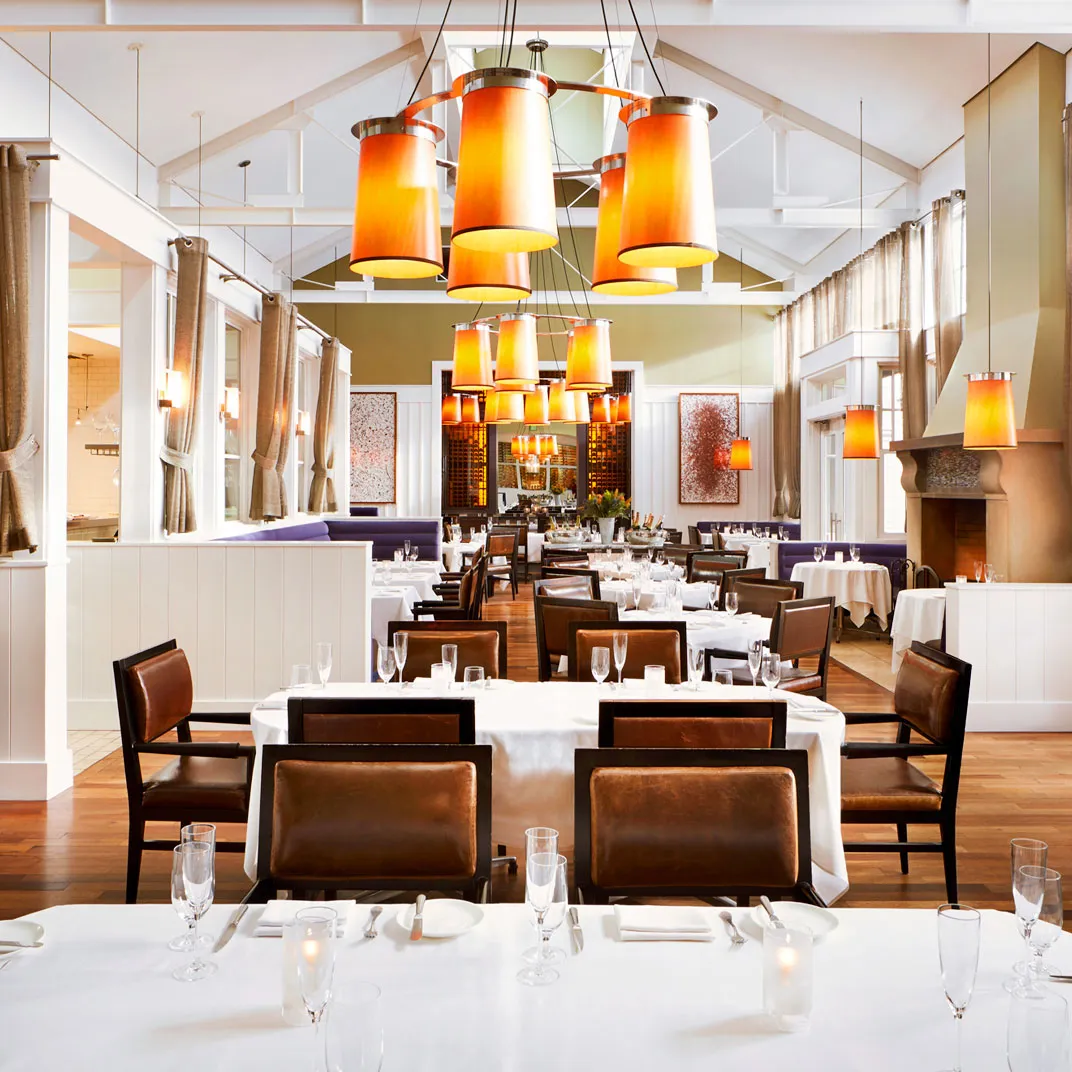 Photo: Chez Panisse, via static.prod.r53.tablethotels.com
He got there through proximity to waste. Through the particular education of watching excess up close, day after day, until patterns emerged that no textbook was teaching.
There's a version of this story that gets told as a feel-good parable about resourcefulness. But Pruitt himself, in a rare 1961 interview with a Chicago Defender food columnist, pushed back on that framing. "I wasn't being resourceful," he said. "I was paying attention. Those are different things. Resourcefulness is making do with less. Paying attention is understanding what's actually there."
The distinction mattered to him. He hadn't built a restaurant out of scraps. He'd built a restaurant out of knowledge — knowledge that happened to arrive wrapped in someone else's garbage.
What He Left Behind
Pruitt's operated for thirty-one years, closing in 1978 when Earl was in his late sixties and ready to stop. By then, the locavore movement was beginning to stir on the coasts, gathering the cultural momentum that would make it a defining feature of American dining by the 1990s. Pruitt lived to see some of it, passing away in 1989 at eighty-one.
He never sought credit for anticipating the movement. He probably would have found the argument a little beside the point. The philosophy wasn't something he invented in a flash of insight. It was something the job taught him, one early morning at a time, on the streets of a city that didn't particularly want to see him.
That's the part that stays with you. The insight didn't come from a kitchen. It came from a garbage truck. And the man driving it was paying closer attention than anyone knew.