Seven Times a Nobody Walked Into the Fight and Walked Out with the Crown
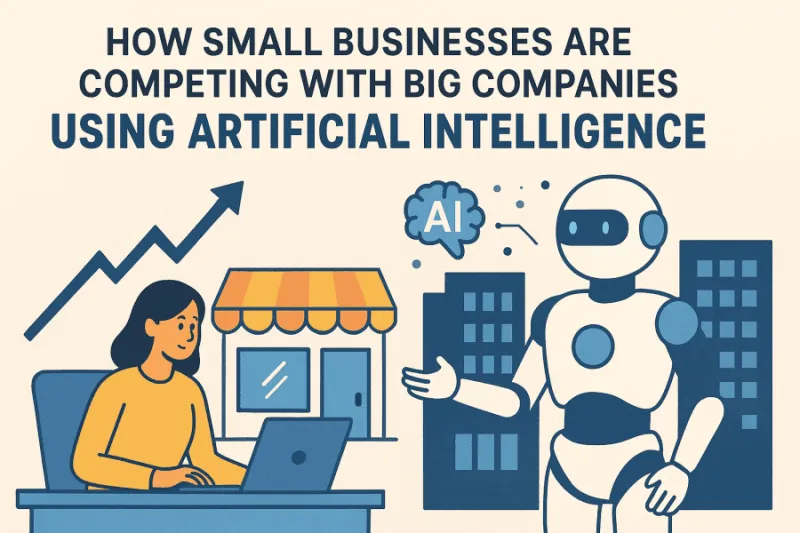
Photo: small business entrepreneur competing against large corporation determined, via neurohive.io
Conventional business wisdom says you need capital, connections, and a recognizable name to compete with the giants. Conventional business wisdom has been wrong, repeatedly, in spectacular fashion.
The history of American commerce is littered with moments when the scrappy, the underfunded, and the deeply underestimated walked straight into the room with the biggest players in their industry — and walked out with the market. Not because they had more resources. Because they had nothing left to lose, and that freedom changed everything.
Here are seven of the most stunning David-vs.-Goliath upsets in American business history.
1. The Garage Bookstore That Broke Barnes & Noble
In the mid-1990s, Barnes & Noble was the undisputed king of American bookselling. The chain had spent years systematically crushing independent bookstores with its massive superstores, deep discounts, and national buying power. It was, by any rational measure, untouchable.
Then Jeff Bezos started selling books out of a garage in Bellevue, Washington.
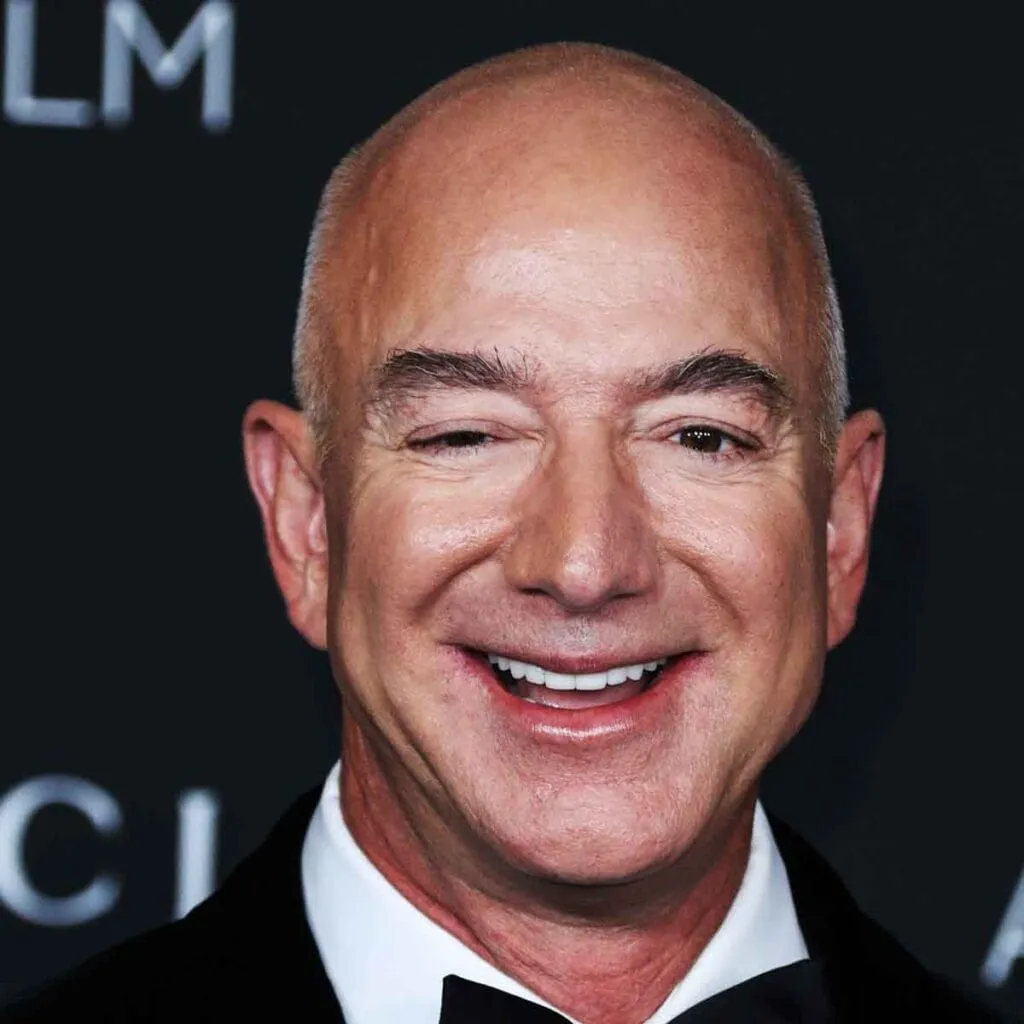 Photo: Jeff Bezos, via theteam.blog
Amazon's early strategy wasn't to out-muscle Barnes & Noble — it was to make the fight irrelevant. Bezos understood that a physical store, no matter how large, could only stock a fraction of the books in print. Amazon could list every book ever published, ship it to your door, and do it cheaper than any brick-and-mortar operation could manage. The selection advantage alone was overwhelming.
Barnes & Noble responded by launching its own website. Too late, too slow, and built on a model that couldn't match what Amazon had already perfected. By the time the dust settled, Amazon hadn't just beaten Barnes & Noble in books — it had used the victory as a launchpad to reshape the entire retail economy. Barnes & Noble filed for bankruptcy in 2020.
The lesson: when you can't win the game that's being played, change the game entirely.
2. The Craft Brewery That Made Budweiser Blink
In 1984, Jim Koch left a comfortable consulting job and started Boston Beer Company in his kitchen, using his great-great-grandfather's recipe. He drove around Boston in his car, selling Samuel Adams Boston Lager to bars by hand — literally carrying it in a briefcase.
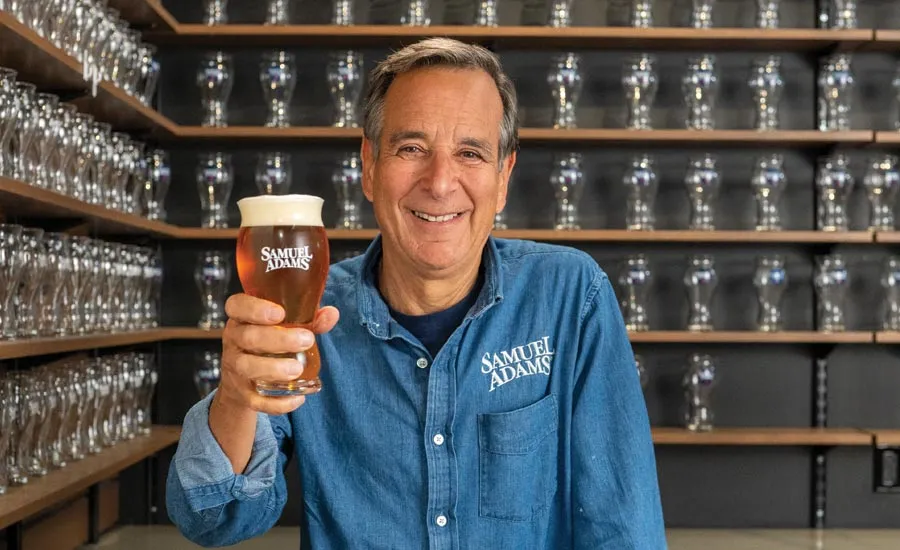 Photo: Jim Koch, via www.bevindustry.com
The big brewers didn't take him seriously. Why would they? Anheuser-Busch, Miller, and Coors controlled more than 90 percent of the American beer market. The idea that a guy with a briefcase and a family recipe could threaten that dominance was laughable.
But Koch understood something the giants had missed: American drinkers were bored. The mass-market lagers that dominated the shelves had been optimized for inoffensiveness, not flavor. There was an enormous, untapped appetite for beer that actually tasted like something.
Samuel Adams won the Great American Beer Festival's top prize in 1985, its first year of eligibility. The publicity was priceless. By the time the big brewers understood what was happening, the craft beer movement had taken on a life of its own. Today, there are more than 9,000 craft breweries in the United States, and Boston Beer Company is worth billions.
Anheuser-Busch eventually tried to buy its way into the craft market. The horse had already left the barn.
3. The Small-Town Radio Rebel Who Beat the Conglomerate
In the early 2000s, as media consolidation swept through the radio industry and corporate giants like Clear Channel swallowed up hundreds of local stations, a small cluster of independent broadcasters in mid-sized American markets discovered a counterintuitive edge: localism.
While the conglomerates were centralizing programming, cutting local staff, and running the same syndicated content across hundreds of markets simultaneously, independent operators leaned hard into community identity. They hired local personalities, covered local news, and built the kind of genuine connection to their listeners that no national programming director sitting in a Manhattan office could replicate.
The results surprised everyone, including the independents themselves. In market after market, local stations with a fraction of the corporate giants' budgets were outperforming them in the ratings. Advertisers, who ultimately care about engaged listeners, noticed. Several of these independents were eventually acquired at significant premiums — not despite their small size, but because of the authentic community relationships they had built.
When you can't buy loyalty, you have to earn it. And it turns out that's the harder kind to compete with.
4. The Dollar Store That Made Walmart Nervous
For decades, the conventional retail wisdom held that nobody could beat Walmart on price. The company's supply chain, its buying power, and its sheer scale made it effectively impossible for any competitor to undercut it across a broad range of goods.
Dollar General didn't try to beat Walmart across a broad range of goods. It picked one fight it could win.
By focusing relentlessly on a limited assortment of everyday consumables — cleaning supplies, food staples, personal care products — and planting stores in small towns and rural communities that Walmart's superstores couldn't profitably serve, Dollar General built a network that Walmart literally couldn't replicate. The stores were smaller, cheaper to operate, and positioned where the competition wasn't.
By 2019, Dollar General had more locations in the United States than any other retailer. Walmart, for all its scale, found itself watching a discount chain it had once ignored carve out a market position that was genuinely difficult to challenge.
The lesson Dollar General taught the industry: don't fight the giant where it's strongest. Find the ground it can't cover.
5. The Streaming Startup That Killed the Video Store
In 1997, Reed Hastings returned a copy of Apollo 13 to a Blockbuster Video store and paid a $40 late fee. He was annoyed enough to start a company.
Netflix launched as a mail-order DVD service — a modest, unglamorous concept that Blockbuster executives reportedly found amusing when they first heard about it. Blockbuster had thousands of locations, millions of customers, and a brand that was synonymous with home video. Netflix had a website and some red envelopes.
What Netflix had that Blockbuster didn't was a subscription model with no late fees — and a willingness to use technology to understand what its customers actually wanted to watch. When streaming became viable, Netflix was already sitting on years of viewing data that let it make content decisions with a precision Blockbuster could never have matched.
Blockbuster was offered the chance to acquire Netflix in 2000 for $50 million. They passed. Blockbuster filed for bankruptcy in 2010. Netflix is currently worth over $300 billion.
Sometimes the most dangerous competitor is the one you're too comfortable to take seriously.
6. The Organic Grocer That Forced the Supermarket Giants to Change Their Shelves
When John Mackey opened a small natural foods store in Austin, Texas, in 1978, the mainstream grocery industry regarded organic and natural food as a niche concern — the province of health enthusiasts and counterculture holdovers, not mainstream American shoppers.
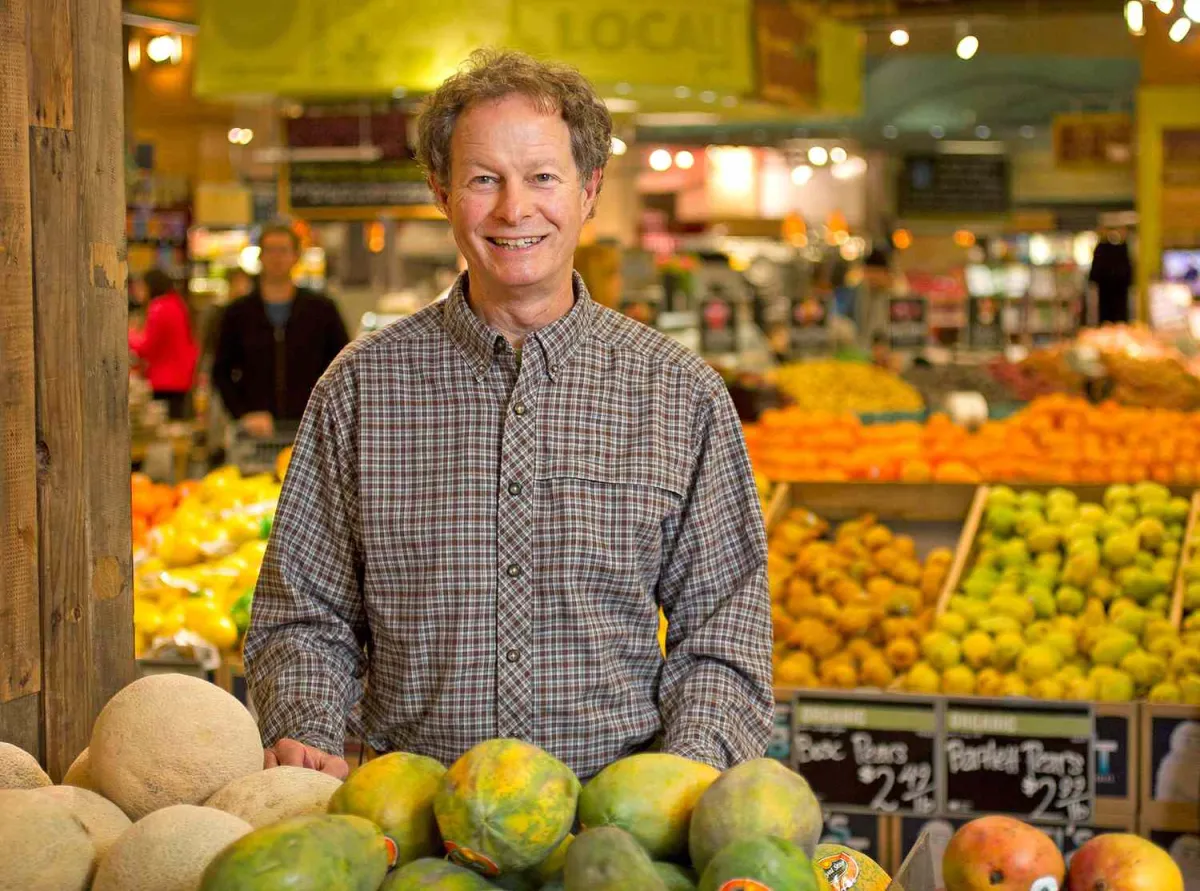 Photo: John Mackey, via people.com
Whole Foods Market spent the next two decades proving them wrong, one store at a time. By creating a retail environment that made healthy eating feel aspirational rather than ascetic, Mackey and his team built a customer base that was loyal, affluent, and growing. The mainstream grocers initially ignored the trend. Then they watched it eat into their margins.
By the 2000s, Kroger, Safeway, and virtually every major supermarket chain in the country had been forced to dramatically expand their organic and natural food sections — not because they wanted to, but because Whole Foods had trained American consumers to expect those options. A small Austin health food store had reshaped the product mix of an entire industry.
Amazon acquired Whole Foods in 2017 for $13.7 billion. The grocer that the industry once dismissed had become too important to ignore.
7. The Sneaker Brand That Beat Nike at Its Own Game — Briefly, Brilliantly
In the early 1980s, Nike was dominant in athletic footwear. Reebok was a small British company with a modest American presence and no obvious path to relevance.
Then aerobics happened.
Reebok's leadership recognized the fitness craze sweeping American women before Nike did, and moved fast. They designed a soft leather athletic shoe specifically for aerobics — comfortable, stylish, and targeted at a demographic Nike had largely ignored. The Freestyle launched in 1982 and became a phenomenon.
By 1986, Reebok had surpassed Nike in US sales. Nike, caught flat-footed, scrambled to respond. The battle that followed — culminating in the launch of Air Jordan in 1985 and Nike's eventual reassertion of dominance — is one of the most studied competitive episodes in business school history.
But the lesson isn't that Reebok ultimately lost ground again. The lesson is that a small, nimble company spotted a cultural shift before the market leader did, moved decisively, and turned the entire industry on its head for the better part of a decade.
Speed and cultural awareness beat size. At least for a while. And sometimes, a while is all you need.
What All Seven Have in Common
Look across these seven stories and a pattern emerges that has nothing to do with luck.
Every underdog on this list won by refusing to fight the battle the giant wanted to fight. They found the unmarked territory — the ignored customer, the untapped craving, the market the big player was too comfortable to notice. They moved faster, stayed leaner, and used their very smallness as a weapon.
When you have nothing left to protect, the rules change completely. You can take risks that a billion-dollar company with shareholders and quarterly earnings calls simply cannot afford. You can fail fast, pivot hard, and try again before the giant has finished its first committee meeting.
The room always looks intimidating when you walk in without a name badge. But the people who built these companies walked in anyway.
That's the whole playbook, right there.