What the Mop Bucket Taught the Boardroom: The Night-Shift Janitor Who Rewired Corporate America
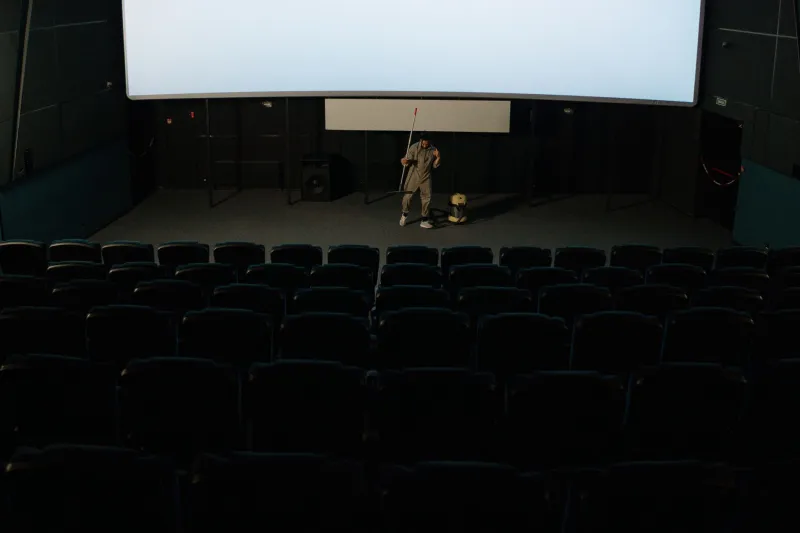
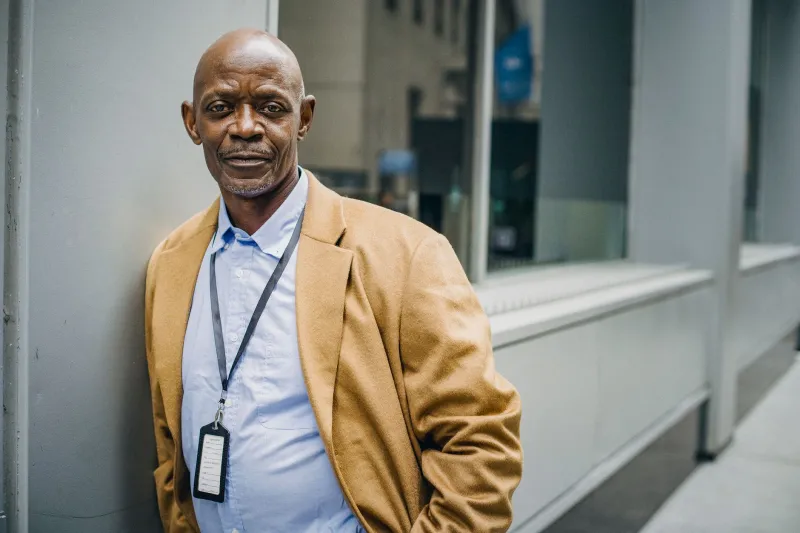
Curtis Dawes never planned to change the way America's biggest companies operate. He planned to keep the lights on. That meant showing up at a downtown Chicago office tower five nights a week, badge in hand, ready to clean up after people who never once wondered who swept their floors.
For most people, that story ends there. For Dawes, it was just the beginning.
The Education No Business School Offers
Dawes took the night-shift cleaning job in the early 1990s after a manufacturing layoff left him scrambling. He was 34, had two kids in school, and needed something that paid immediately. The janitorial work paid. It also, as it turned out, taught.
What strikes you first about Dawes's story isn't the rags-to-riches arc — it's what he was actually doing during those quiet overnight hours. While he emptied trash cans and buffed lobby floors, he was reading. Not novels. Memos. Reports. Organizational charts left on whiteboards. Internal newsletters tacked to bulletin boards. The detritus of corporate life that nobody bothered to hide because nobody imagined the cleaning crew was paying attention.
"I wasn't snooping," he later said in an interview. "I was just observant. When you're invisible, you see everything."
Over months, then years, Dawes began noticing patterns. The same departments left the most chaos — overflowing recycling bins, conference rooms rearranged and never reset, kitchen areas that told a story of a team under pressure. He started keeping a notebook. Not as a scheme. Just because he was curious, and the nights were long.
Invisible to Everyone, Watching Everything
Here's the thing about being a janitor in a corporate building: you have access that almost nobody else does. You move through every floor, every department, every executive suite. You see which teams work late and which ones clock out at 4:55. You notice which hallways have the most foot traffic and which common areas nobody uses despite the company spending a fortune renovating them.
Dawes began mapping what he saw. He noticed, for example, that one company's most productive team was crammed into a corner with no natural light, while an underperforming department occupied a sprawling, windowed floor. He noticed that the break room on the seventh floor — the one closest to the stairwell — was always full, while the one on the fourth floor sat empty. He noticed that the buildings where management occupied the top floors had a different energy than buildings where leadership worked among the staff.
These weren't revolutionary insights on their own. But accumulated over years, across multiple buildings and multiple companies, they formed something remarkable: a ground-level theory of how physical space and organizational structure shape human behavior at work.
The Memo Nobody Asked For
The turning point came when Dawes, then in his early forties, slipped an unsigned note under the door of a facilities manager at one of the buildings he serviced. The note outlined, in plain language, why he believed the company's new open-plan renovation was going to backfire — and what small changes might help. He'd watched the construction happen over several weeks and had seen enough to have a strong opinion.
The facilities manager tracked him down. Not to reprimand him. To ask how he knew.
That conversation led to a meeting. The meeting led to a small consulting arrangement — informal at first, barely paid. Dawes would walk a building with management and point out what he saw. He had no PowerPoint deck. He had a notebook and a habit of plain speech that cut through the usual corporate fog.
Word spread the way word does when someone is genuinely useful. A second company called. Then a third.
From Notebook to National Practice
By the early 2000s, Dawes had built a small but serious consulting practice focused on what he called "floor-level intelligence" — the idea that the most actionable data about how a company functions isn't in the quarterly reports, it's in how people physically move through, use, and avoid their workspaces.
His methods were unconventional. He'd spend time in a building before he ever met with leadership. He'd talk to the cleaning staff, the security guards, the receptionists — the people who, like him, had once been invisible. He'd eat lunch in the cafeteria and watch where people sat, who they avoided, which groups clustered together and which ate alone.
Then he'd walk into the boardroom and tell executives things that made them uncomfortable, because they were true.
He told one Midwest manufacturing company that their much-celebrated new headquarters was actively destroying collaboration because it had been designed to impress clients, not to serve employees. He told a financial services firm that their "open innovation" floor was being avoided by the very engineers it was meant to inspire, because it offered no acoustic privacy. He told a retail chain that their regional managers were burning out not because of workload but because of the physical isolation of their office locations from the stores they managed.
None of these insights came from an MBA program. They came from years of quiet observation at the bottom of the org chart.
The Lesson the Corner Office Keeps Missing
What made Dawes effective wasn't just his eye for detail. It was his freedom from the assumptions that trap people inside institutions. He had no career to protect, no theory to defend, no consulting firm's methodology to upsell. He just described what he saw.
There's a broader lesson in that. The people closest to a problem — the ones living inside it every day — often understand it more clearly than the people paid to solve it. The gap isn't intelligence. It's access. Executives make decisions about spaces they rarely occupy at the hours that matter most. They design workflows for people whose daily reality they've never experienced.
Dawes simply reversed the equation. He spent years at ground level and then brought that knowledge upward.
By the time he retired from active consulting, he had worked with dozens of companies across the country, spoken at industry conferences, and been profiled in trade publications that once would never have imagined featuring a former night-shift janitor as an expert source.
He kept the notebook. He started a second one, then a third. Old habits.
"The building always tells you the truth," he said once, in the kind of line that sounds simple until you think about it. "You just have to be willing to listen at the right hour."
Some of the best business education in America, it turns out, happens between midnight and six in the morning, one floor at a time.