When Broken Minds Found Healing Through Paint: The WWI Veteran Who Accidentally Discovered Art Therapy

The Captain Who Couldn't Come Home
Captain James Morrison returned from the trenches of France in 1918 with medals on his chest and nightmares in his head. The decorated artillery officer who had led men through the hell of Belleau Wood couldn't sleep through a single night without reliving the screams of shells and the silence that followed. Military doctors at Walter Reed Hospital had a diagnosis: shell shock. Their prognosis was grimmer: permanent disability, early retirement, and a lifetime pension for a mind they declared irreparably broken.
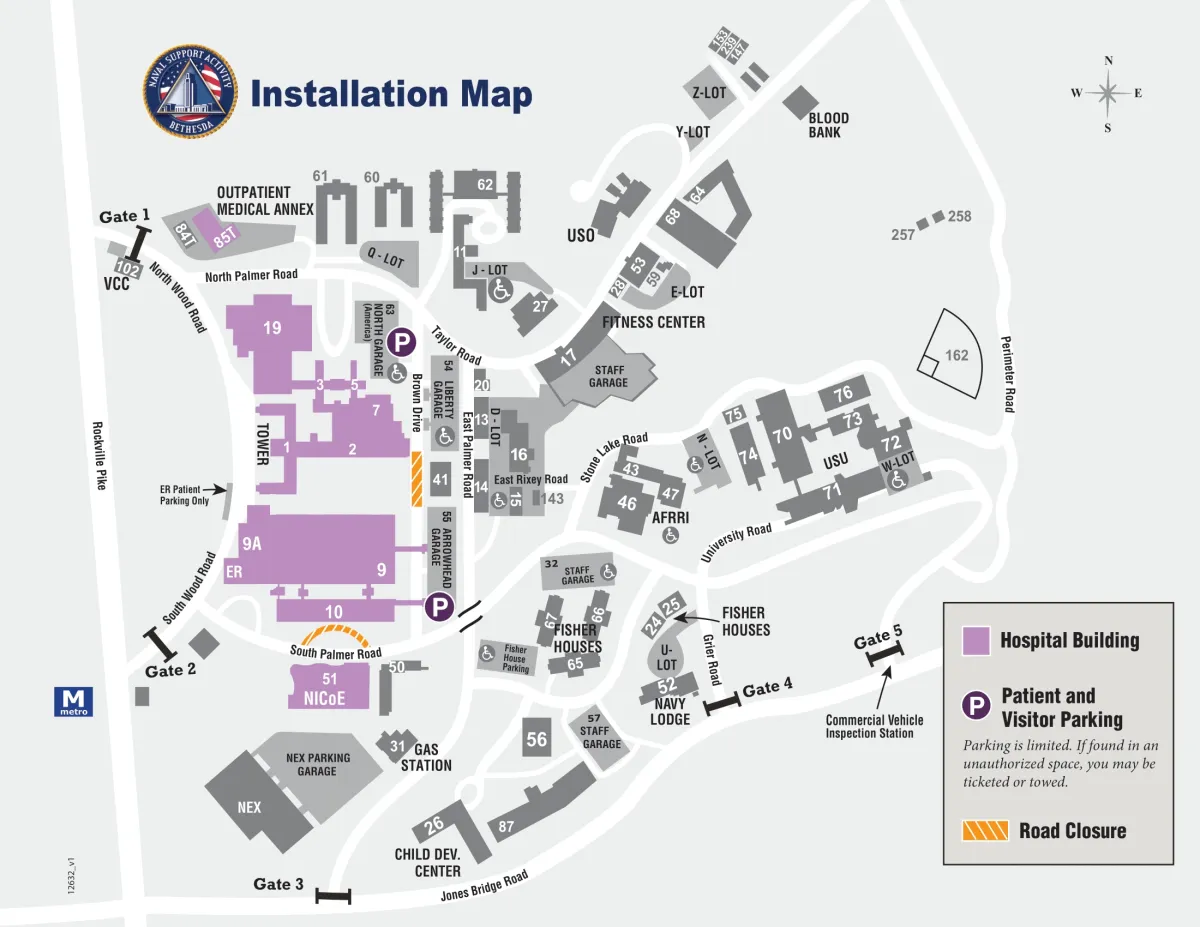 Photo: Walter Reed Hospital, via all-maps.com
Morrison disagreed. Not with words — he'd lost most of those somewhere between the Marne and the Meuse — but with stubborn, desperate action that would accidentally change how America understood the wounded mind.
The Accident That Started Everything
In the spring of 1919, while wandering the grounds of a veterans' facility in upstate New York, Morrison stumbled into an art class meant for patients with physical injuries. The instructor, assuming he belonged there, handed him a brush and pointed toward a canvas. Morrison had never painted anything in his life, but something about the weight of the brush felt familiar — like holding a rifle, but safer.
What emerged over the following weeks wasn't art in any traditional sense. Morrison's canvases became battlefields rendered in violent strokes of black and red, explosions captured in yellow and orange chaos, and eventually — after months of painting the war out of his system — quiet landscapes that looked suspiciously like the Pennsylvania farm where he'd grown up.
The transformation wasn't immediate, and it wasn't pretty. Morrison's early paintings were so disturbing that other patients complained. But something remarkable was happening: the nightmares were becoming less frequent. The tremors in his hands were steadying. The man military psychiatrists had written off as a hopeless case was rebuilding himself one brushstroke at a time.
The Doctor Who Paid Attention
Dr. Margaret Hayes, a young psychiatrist working at the facility, noticed Morrison's progress when no one else was looking. While her colleagues dismissed his improvement as temporary or coincidental, Hayes began documenting the correlation between Morrison's painting sessions and his psychological state. She convinced the facility's director to let her formalize what Morrison had stumbled into accidentally.
 Photo: Dr. Margaret Hayes, via alchetron.com
Hayes created the first structured art therapy program in American psychiatric care, using Morrison as both patient and unwitting co-researcher. Together, they developed techniques that would eventually become standard practice: using color to express emotions that had no words, creating visual narratives to process trauma, and finding healing through the simple act of making something beautiful from something broken.
The Blueprint That Changed Everything
Morrison's recovery became a case study that traveled from one medical conference to another throughout the 1920s. His paintings — raw, powerful documents of a mind rebuilding itself — were displayed in medical journals and psychiatric textbooks. But more importantly, his method was replicated in veterans' hospitals across the country.
By 1925, art therapy programs existed in twelve major medical facilities. By 1930, the practice had expanded beyond military hospitals to include civilian psychiatric care. Morrison, who had started painting because he literally couldn't find any other way to cope, had accidentally created a new form of medicine.
The irony wasn't lost on him. The same military establishment that had declared him permanently damaged was now using his discovery to heal other broken soldiers. The man they'd tried to pension off had given them a tool more powerful than any drug in their arsenal.
The Legacy That Outlived the Man
Morrison continued painting until his death in 1967, but he never considered himself an artist. He was a soldier who had found an unexpected way home from a war that had followed him across an ocean. His paintings, preserved in the National Archives, show a progression from chaos to calm that reads like a roadmap for healing.
Today, art therapy is a recognized medical discipline practiced in hospitals, schools, and treatment centers across America. Thousands of therapists use techniques that can be traced directly back to Morrison's desperate experiments with paint and canvas in that upstate New York facility.
The soldier who was supposed to be permanently broken had discovered something that military medicine hadn't: that sometimes the mind needs to create before it can heal, and that the most profound recoveries often happen not in spite of our wounds, but because of them.
The Brush That Built a Bridge
Morrison's story reminds us that innovation often emerges from desperation, and that the people society writes off sometimes hold the keys to everyone else's healing. He picked up a paintbrush because he had nowhere else to turn, and in doing so, he built a bridge between the darkness of trauma and the possibility of recovery that millions of people have crossed ever since.
In the end, Captain James Morrison's greatest victory wasn't won on any battlefield in France. It was won in a quiet art room in New York, where a broken soldier proved that sometimes the most important discoveries happen when we stop trying to fix ourselves and start trying to express ourselves instead.