No Father, No Fortune, No Excuses: The Wandering Boy Who Performed the Impossible
Daniel Hale Williams was eleven years old when his father died and the floor fell out from under everything.
The family scattered. His mother eventually left too — not out of cruelty, but out of desperation. Dan was farmed out, shuffled between relatives, and dropped into a world that had no particular interest in what became of him. By his early teens, he was apprenticed to a shoemaker in Janesville, Wisconsin, doing the kind of work that leaves calluses and doesn't ask questions.
Nobody who watched him stitching leather in that shop would have predicted what was coming.
The Education Nobody Planned
Before medicine, there was the barbershop.
After the shoemaking apprenticeship ran its course, Williams found his way into the trade his father had practiced — cutting hair, shaving necks, making conversation with strangers. It sounds like a consolation prize. It wasn't. In the 1870s, a barbershop was a social hub, a community anchor, a place where a young Black man could learn to read a room, build trust quickly, and work with his hands under pressure. Every customer was a different personality. Every shave was a small act of precision performed on someone who had decided to be vulnerable.
Williams was good at it. But he was watching something else.
Henry Palmer, a prominent surgeon in Janesville, was a regular at the shop. Williams observed him. Asked questions. Palmer, apparently, noticed the quality of the curiosity. He eventually offered Williams something extraordinary: the chance to read medicine at his side, the old-fashioned apprenticeship model that was already being phased out in favor of formal schooling.
Williams took it without hesitation.
By 1883, he had scraped together enough support to enroll at Chicago Medical College — one of the better institutions in the country at the time. He graduated two years later, in 1883, and set up a practice on Chicago's South Side. He was one of very few Black physicians in the city. The medical establishment was not exactly holding the door open.
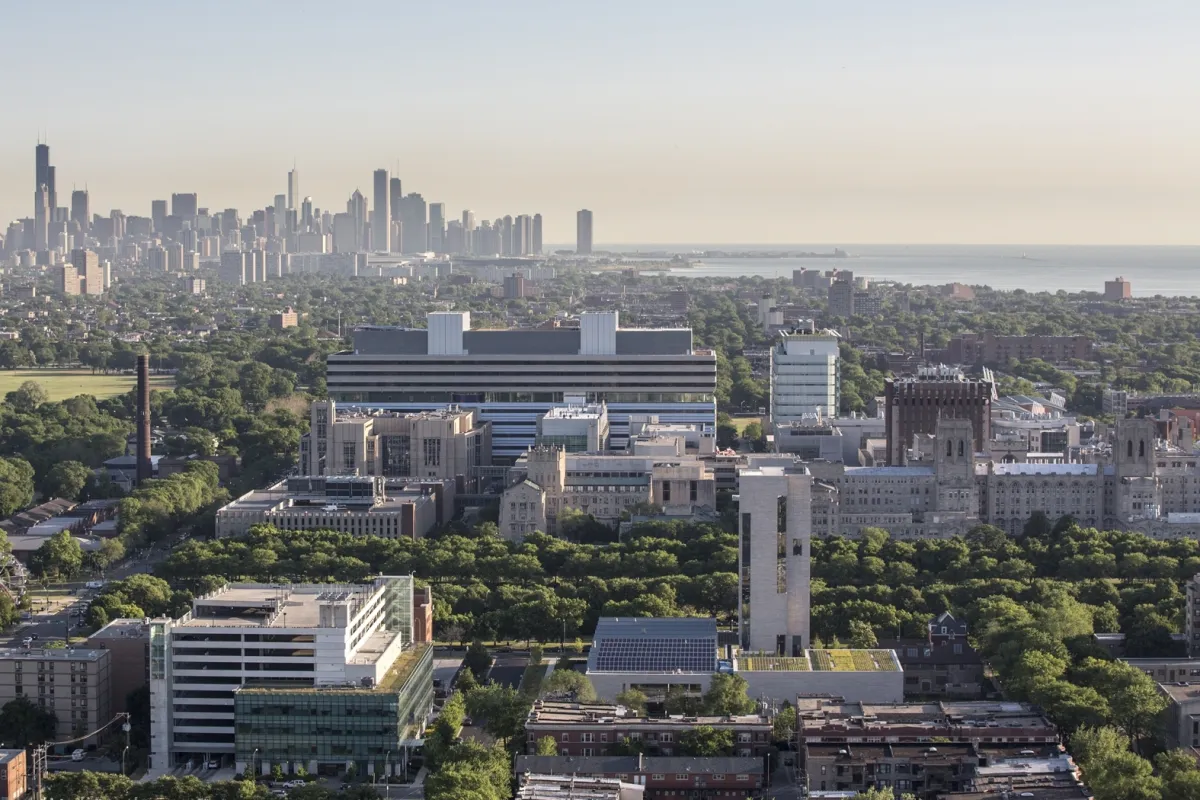 Photo: Chicago Medical College, via ad009cdnb.archdaily.net
The Night Everything Changed
July 9, 1893. A hot summer evening in Chicago. A young man named James Cornish was brought into Provident Hospital — the interracial institution Williams had founded two years earlier, partly because Black patients were routinely turned away from other facilities — with a stab wound to the chest.
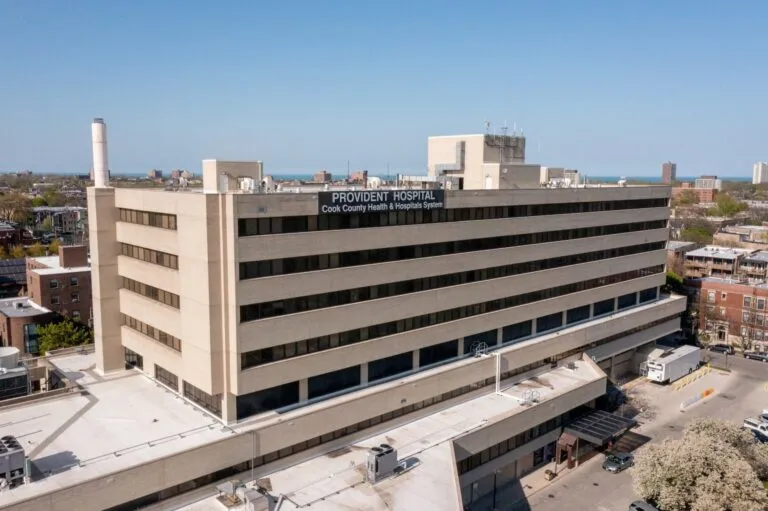 Photo: Provident Hospital, via cookcountyhealth.org
The knife had gone deep. Dangerously deep. Close to the heart.
In 1893, the standard approach to a wound like that was to do almost nothing. You managed the symptoms, kept the patient comfortable, and hoped. Opening the chest cavity was considered tantamount to a death sentence. The heart was untouchable — medically, philosophically, almost spiritually. Surgeons didn't go there.
Williams went there.
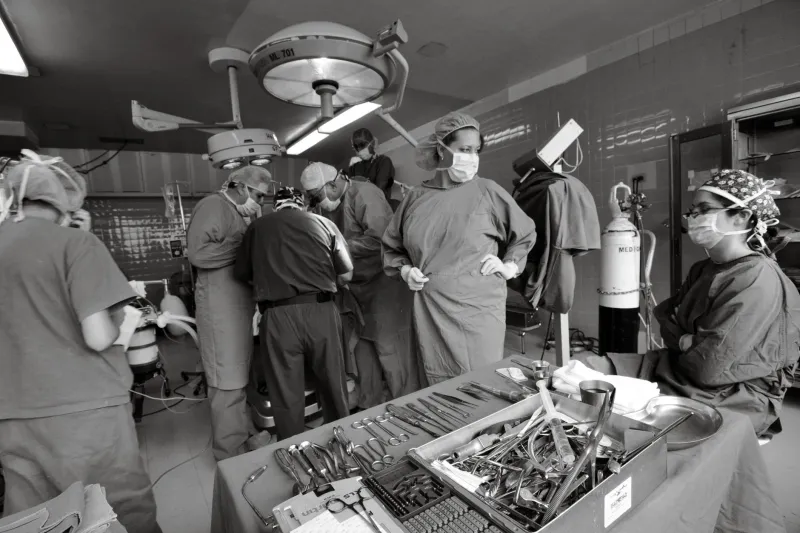
With no X-ray, no blood transfusion capability, no modern anesthesia, and no real roadmap, he opened Cornish's chest, sutured the pericardium — the sac surrounding the heart — and closed him back up. Cornish survived. He lived for another fifty years.
It was the first documented successful open-heart surgery in American history. Williams was thirty-six years old.
What the Dirt Teaches You
The medical establishment of the late nineteenth century had a very specific idea of what a doctor was supposed to look like and where he was supposed to come from. Williams didn't fit any of it. He was Black in a profession that was almost exclusively white. He was self-taught before he was formally trained. He had spent years doing work that nobody considered preparation for anything.
But look at what those years actually built.
The shoemaker's apprenticeship gave him patience with his hands and an understanding that precision work doesn't tolerate shortcuts. The barbershop gave him the ability to read people instantly, to work carefully in close quarters, to earn trust from strangers under conditions that required both confidence and gentleness. The Palmer apprenticeship gave him a mentor who saw potential where institutions would have seen an obstacle.
None of it was the path. All of it was the path.
Williams went on to co-found the National Medical Association in 1895 — an organization created specifically because Black physicians were excluded from the American Medical Association. He became the first Black surgeon appointed to the staff of a non-Black hospital in Chicago. He trained generations of Black doctors and nurses at a time when those opportunities barely existed.
The Empire He Actually Built
Williams didn't build a business empire. He built something harder to quantify and more durable: a medical infrastructure for people who had been told medicine wasn't for them.
Provident Hospital, which he founded in 1891, became one of the most important training grounds for Black medical professionals in the country. The nursing school he established there — one of the first in the nation to train Black nurses — sent graduates across America at a time when the profession was almost entirely closed to them.
He was doing the work of institution-building while simultaneously doing the work of surgery, teaching, and advocacy. He was, in the truest sense, building from the ground up — because the ground was the only place he'd ever been given to start.
The Lesson He Never Needed to Teach
Daniel Hale Williams died in 1931, largely forgotten by the mainstream medical community. His story was preserved mostly by the Black press and by the institutions he had built. Recognition from the broader American medical establishment came slowly and incompletely.
But the operating room doesn't lie. On July 9, 1893, a man who had been a shoemaker's apprentice, a barber, a wandering kid with no obvious future, opened a human chest and proved that the impossible was just the thing nobody had tried yet.
He didn't get there despite the hard years. He got there because of them.
The hands that performed the world's first open-heart surgery had spent years learning precision in places that had nothing to do with medicine. And that, maybe, was exactly the point.